
July 15, 2026
Why “Monolithic” CX Platforms Are Dead — And What Should Replace Them
Carlos Espinosa, founder and Executive Chairman of Clientship, argues that the era of rigid, all-or-nothing CX technology is over — and explains what a smarter, more flexible alternative looks like in practice.
Most CX technology platforms are sold as comprehensive, all-in-one solutions. For many organisations, that rigidity creates as many problems as it solves. “We tried to build something very flexible,” Espinosa says. “Our approach is to adapt to our customers’ requirements and their environment — not to make our clients adapt to our technology.”
That distinction matters more than it might first appear. Legacy enterprise CX platforms typically require organisations to reshape their processes, retire existing tools, and commit to a single vendor’s roadmap. Clientship inverts that model entirely. Rather than asking clients to conform to the platform, the platform conforms to the client.
What Building Blocks Actually Means
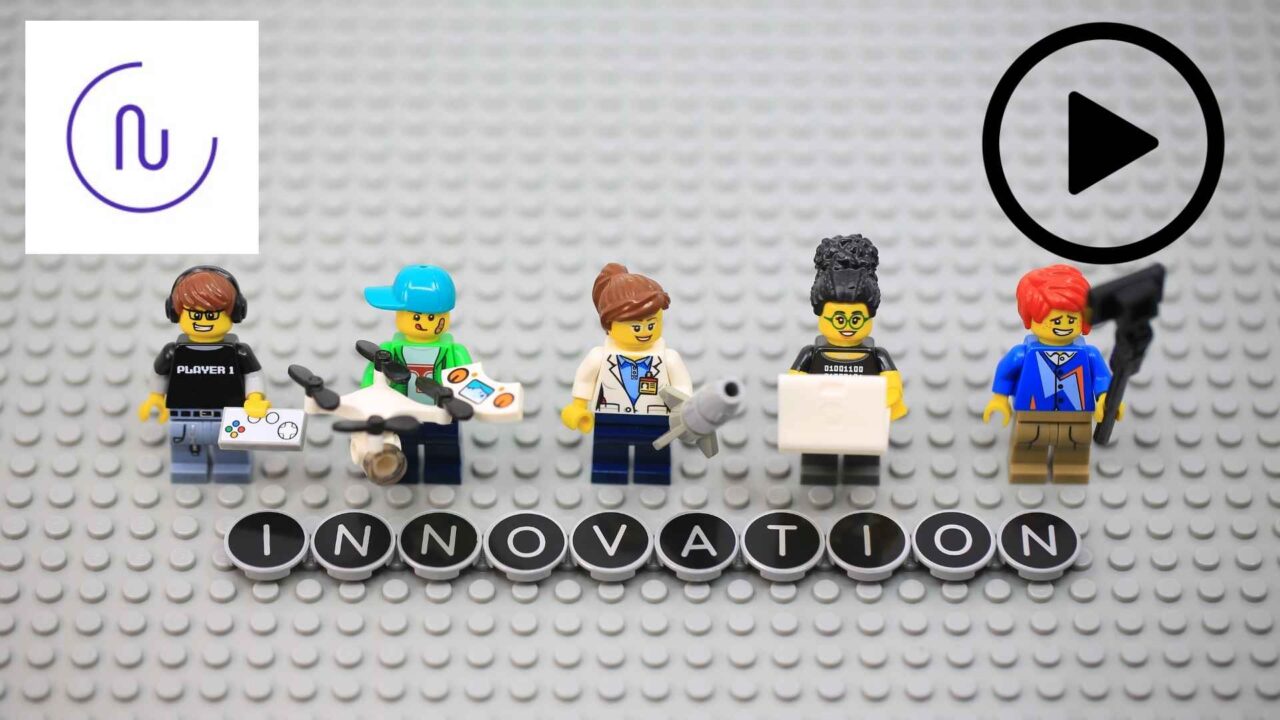
The Building Block architecture — which Espinosa describes as “Lego-like” — was conceived over a decade ago, when the first version of the Clientship platform was built. The principle was straightforward: split every component of the platform into a discrete, interchangeable piece of software that could be combined, swapped, or integrated with third-party tools depending on what a given client actually needed.
“We gave our customers the opportunity from the beginning to choose different components — maybe have some of them from other providers, from other vendors, and integrate some of them with us,” Espinosa explains. The result is what he calls “a very flexible and evolutive ecosystem of software and data around the customer.”
Integrations span the platforms enterprises already rely on — Salesforce, SAP, Zendesk, Oracle — but Espinosa is clear that the integration question has shifted significantly in recent years. “Today with AI, it’s critical,” he says. “You cannot consider working with AI without very critical integrations.” That now means connecting not just with legacy enterprise systems, but with the major platforms shaping the development of large language models — including Anthropic.
From Data Collection to Cultural Change
One of the central tensions in CX today is the gap between organisations that collect customer data and those that are genuinely customer-centric. Espinosa is candid about where the profession has gone wrong. “We come from collecting data and working very focused on NPS,” he says. “And the problem when you work only as a KPI collector is that you are not connected with the reality of your company, you are not connected with the business, and of course you are not working towards a more customer-centric culture.”
The Building Block approach attempts to address this structurally. Among the platform’s components is an Action Plans block — currently being significantly enhanced in Clientship’s forthcoming Zeta platform release — that combines a best-practice library with recommendations generated from customer data across surveys, social media, and other sources. “We are able to select the five main challenges you have in your company,” Espinosa explains, “and from there build bespoke action plans that you can deploy across your organisation.”
The goal, he stresses, is mobilisation — not measurement. “No matter what your NPS or CSAT scores look like, what is essential is to mobilise your company and get all your middle management moving towards customer-centricity improvement.”
Co-Creation: Putting Customers Inside the Design Process
Perhaps the most forward-looking element of the Clientship platform is its Co-creation block, which goes beyond listening to customers and directly involves them in product and service design.
Espinosa offers a concrete illustration from one of Clientship’s retail clients — a large coffee shop chain — that uses the feature to test new products in real time. “They are permanently asking their customers if they like this croissant with pistachio or this new coffee with some new milk,” he says. “You are interacting with your customer — not only listening about the service, but about the value proposition too.”
The commercial logic is compelling. What previously required commissioning market research firms can now be achieved with real-time customer feedback, at a fraction of the cost and time. “With this co-creation capability, you have instant feedback from your customer about anything you want — the colour of the walls, the music, anything about your value proposition.”
The Economics of Flexibility
There is a second dimension to Clientship’s value proposition that Espinosa is keen to articulate: price. “Our pricing is a fraction of our competitors’,” he says, “and that releases a lot of budget for our customers to invest in other CX initiatives — usually in change management, training, and innovation projects.”
The implication is significant. In a market where large enterprise CX platforms can consume substantial portions of a technology budget, Clientship’s modular model frees up resources that organisations can redirect towards the human and organisational change that technology alone cannot deliver.
Looking Ahead: Open Environments and Machine Customers
When the conversation turns to the future, Espinosa is deliberately measured. “AI is moving so fast that I think we cannot forecast what is to come in the next five years,” he says.
He points to a recent Gartner report suggesting that by 2030, 30 per cent of companies’ acquisitions could be made by machine customers — autonomous agents purchasing goods and services on behalf of businesses without human involvement. “Machine customers will be buying goods and services in an automated manner from other agents,” he notes. “The machine experience — how you build a good experience for machines — is something we will have to think about.”
For Espinosa, the response to that uncertainty is architectural. “I think it’s all about building very open environments — not closed — open to anything, and being able to change whatever you have to change to survive and adapt your business to the technology breakthroughs we are living today.”
It is, in essence, the Building Block philosophy applied to the future itself: composable, adaptable, and designed to say yes.