June 04, 2026
UK’s HMRC to Modernise its Contact Centre With Capgemini, NiCE, Route 101 Partnerships
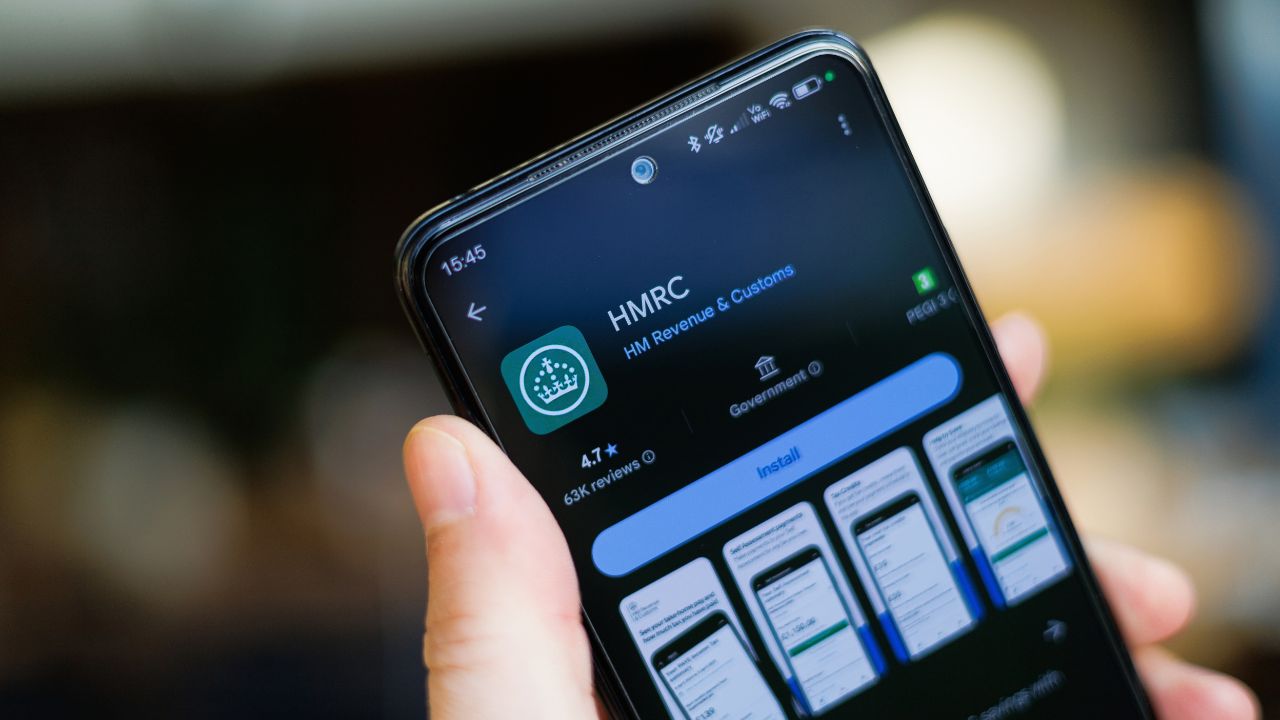
The UK’s HM Revenue & Customs (HMRC) has confirmed a multi-year contract with Capgemini, working alongside NiCE and Route 101. The shared ambition is to replace its legacy contact centre infrastructure with a unified, cloud-native platform. The work will consolidate existing systems, expand digital self-service, and introduce AI-powered tooling for both citizens and frontline advisers.
Capgemini takes the lead on systems integration, implementation, and ongoing optimisation. NiCE, which recently announced a partnership with global BPO Konecta, provides its CXone platform. This is an omnichannel contact centre solution deployed on a purpose-built UK sovereign cloud, supported by Cognigy-powered conversational AI for self-service. Route 101 handles delivery and professional services. Lastly, the telephony infrastructure is supplied through communications provider Gamma.
HMRC is one of the UK’s largest customer service organisations, handling millions of contacts each year across tax, compliance, and self-assessment queries. The department has faced persistent criticism over waiting times and telephone access in recent years, making the case for infrastructure investment straightforward.
Rob Walker, Managing Director of Capgemini in the UK, noted:
“We are honoured to be selected by HMRC as their strategic partner for this critical transformation program. This new agreement reflects the strength of our long-standing commitment to HMRC innovation and our ability to deliver complex, large-scale, AI-powered transformation programs that create tangible value for citizens.”
The sovereign cloud deployment is a practical necessity for a department handling sensitive taxpayer data. However, it also reflects a broader shift in how regulated-sector organisations are approaching AI adoption. Financial services firms, healthcare providers, and utilities face similar data residency requirements, and HMRC’s ability to deploy a platform of this complexity within those constraints will be watched closely by peers across the public and private sectors.
Darren Rushworth, President of NiCE International, said:
“HMRC serves every taxpayer in the United Kingdom, and the scale and importance of its contact centre operations demand a platform built for enterprise-grade performance, security, and AI-led innovation. CXOne is uniquely positioned to deliver on that mandate, helping HMRC modernise service delivery and raise the bar for citizen experience.”
What the HMRC Modernisation Signals for the CX Market
The structure of the deal is arguably as interesting as the technology. Rather than a single-vendor arrangement, HMRC has distributed responsibility across a systems integrator, a platform provider, and a specialist delivery partner. Each will have a clearly bounded remit. That approach is increasingly common in large enterprise CX programmes, where the gap between platform capability and successful deployment has proven costly for organisations that conflated the two.
Agent assist AI, the real-time guidance layer that surfaces relevant information to advisers during live interactions, has attracted significant vendor attention in recent years. Deployments at HMRC’s scale provide the degree of operational stress test that smaller pilots cannot replicate. Naturally, the results will carry weight in the market.
What the Capgemini, Route 101 and NiCE Collaboration Means for CX and Operations Leaders
For organisations managing large contact centre estates, the HMRC programme illustrates a practical sequencing of priorities. This entails consolidating infrastructure first, then layering AI capability onto a stable base. The self-service expansion addresses volume and cost; the adviser tooling addresses quality and consistency. Neither alone is sufficient.
HMRC has also committed to maintaining support for digitally excluded users and those in vulnerable circumstances. This is often a design consideration that tends to get lost in transformation programmes focused on deflection rates and cost-per-contact. Getting that balance right is the harder problem. However, it is also the one that will ultimately define whether this programme delivers.