
January 28, 2026
Anthropic CEO Dario Amodei Discusses Customer Service Among AI Risks
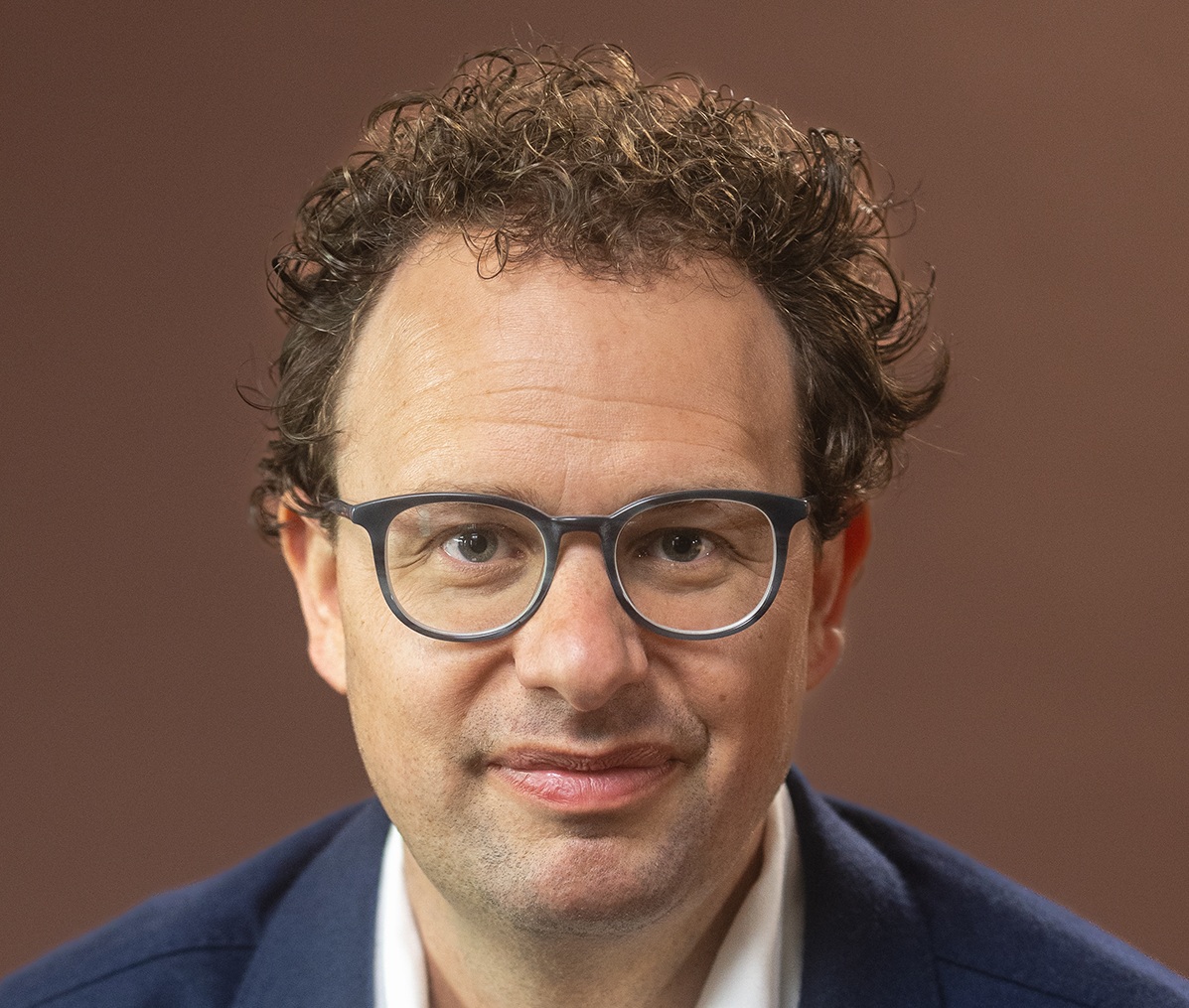
In his punchy essay “The Adolescence of Technology: Confronting and Overcoming the Risks of Powerful AI” the CEO of Anthropic AI has a lot to say about the chaotic world of artificial intelligence.
From the concentration of wealth and power in the hands of a few to geopolitics, and the indirect and unexpected effects of AI, there’s a lot to mull over.

With a strong focus on where humans are going with AI, specifically Anthropic’s Claude, he makes several key points about avoiding the doom-mongering scenarios, acknowledging uncertainty, and using AI as surgically as possible.
Noting that in three years, AI has gone from being bad at school math(s) to solving hugely complex problems and coding software for engineers (not the vibe crowd), AI’s impact will only grow in coming years.
The Rise of AI in Customer Service
When considering the world of customer service in his essay Amodei notes, “… some tasks inherently require or greatly benefit from a human touch. I’m a little more uncertain about this one, but I’m still skeptical that it will be enough to offset the bulk of the impacts I described above.”
He identifies that “AI is already widely used for customer service. Many people report that it is easier to talk to AI about their personal problems than to talk to a therapist—that the AI is more patient.”

And concludes on a highly personal note, “When my sister was struggling with medical problems during a pregnancy, she felt she wasn’t getting the answers or support she needed from her care providers, and she found Claude to have a better bedside manner (as well as succeeding better at diagnosing the problem). I’m sure there are some tasks for which a human touch really is important, but I’m not sure how many—and here we’re talking about finding work for nearly everyone in the labor market.”
The Rise of Career Disruption
Further down the essay he looks at how jobs are being impacted, with Amazon only today announcing 16,000 job cuts and Forrester reckons 10 million US jobs will go by the end of the decade.
Amodei notes “I am worried about: labor market displacement. This is a topic that I warned about very publicly in 2025, where I predicted that AI could displace half of all entry-level white collar jobs in the next 1–5 years, even as it accelerates economic growth and scientific progress.”
He notes AI’s improvement by “Slicing by cognitive ability across a wide range of tasks, AI appears to be advancing from the bottom of the ability ladder to the top. For example, in coding our models have proceeded from the level of “a mediocre coder” to “a strong coder” to “a very strong coder.”
And “We are thus at risk of a situation where, instead of affecting people with specific skills or in specific professions (who can adapt by retraining), AI is affecting people with certain intrinsic cognitive properties… It is not clear where these people will go or what they will do, and I am concerned that they could form an unemployed or very-low-wage “underclass.”
That goes way beyond customer service, into all roles and career paths, but he offers hope noting that “Despite the many obstacles, I believe humanity has the strength inside itself to pass this test. I am encouraged and inspired by the thousands of researchers who have devoted their careers to helping us understand and steer AI models, and to shaping their character and constitution.”
But only time will tell if AI comes to support or replace us.