June 23, 2026
Parloa Study: Speed Is the Name of the CX Game in 2026
Customers will give an automated service system only a few minutes to prove itself before they give up, and the brands that lose that race are losing customers to faster rivals, according to the inaugural Parloa Consumer Patience Index, a commissioned study of 1,001 US adults that examines how people experience customer service automation in 2026 and what they expect next.
It is the second study in recent weeks to land on the same point. Invoca’s finding that a faster competitor is only a click away showed buyers will move the moment a brand is too slow to respond. Parloa’s data says the same thing from the service side: patience has thinned to minutes, and speed now decides who keeps the customer.
Hello? The Clock Is Ticking
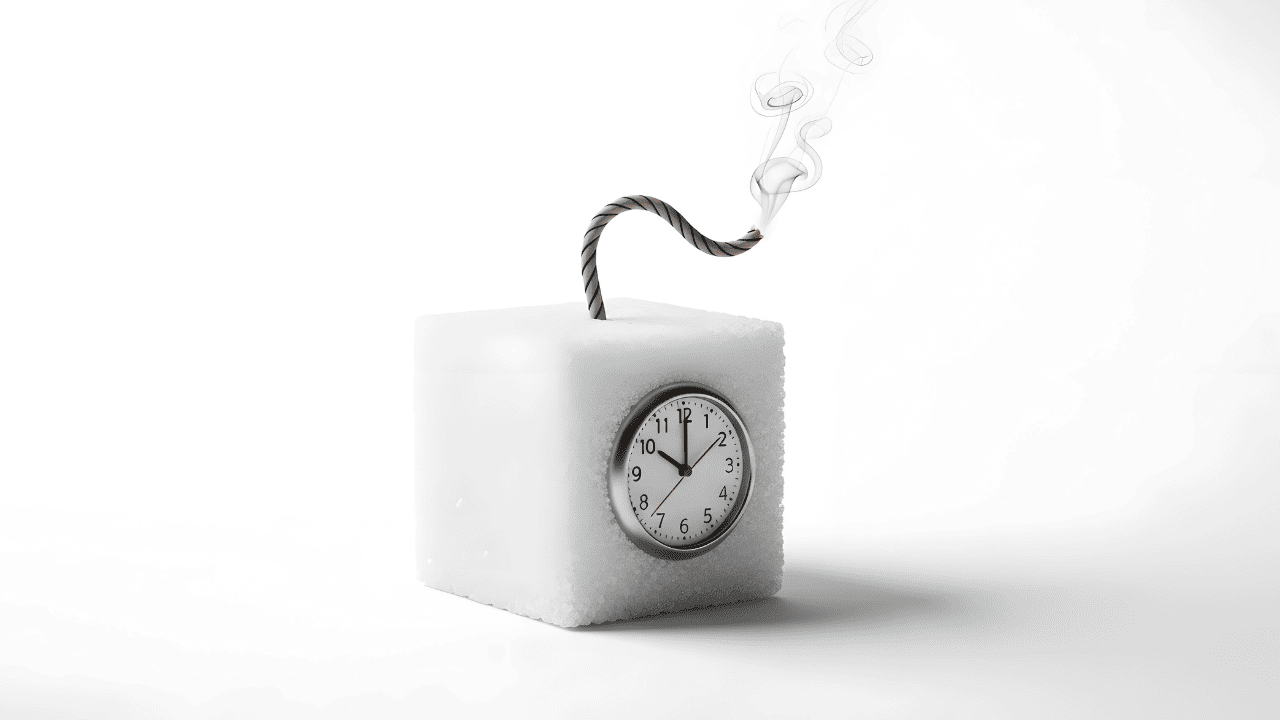
The study found a very short window for automation to earn its keep. More than half of respondents will deal with an automated system for under three minutes before asking for a person, and 20% give it less than a minute. Only 5% will wait beyond ten minutes.
Nothing empties patience quicker than repeating yourself. Ten percent of people quit an automated interaction the first time they are asked to repeat something, and another 60% will tolerate it twice at most.
Being asked to repeat is the fastest way to lose them, which is why the modern IVR has to recognise a caller and pull what it already knows rather than make them start over.
How People Force Their Way to a Human
When patience runs out, customers sabotage the system to reach a person. More than half admitted to it: 45% yelled ‘human’ down the phone, over a third hammered zero and random digits, and 17% swore at the bot. Asking politely was the most common tactic, though plainly not the most reliable.
Comprehension, not speed alone, is where most interactions fall apart. “Talking to a bot that doesn’t understand me” topped the list of pain points, ahead of long hold times and being passed around.
Frustrating interactions don’t end when the call does. Most respondents reported at least one extreme emotional reaction to a bad chat or call, such as rage-cancelling a subscription, shouting at a loved one, crying and hitting something nearby. Those reactions spread: after a poor experience, half of respondents told friends and family, a third changed brands and many complained publicly online.
“When four out of every five consumers say service directly impacts their brand loyalty, that should sound alarms for experience strategists,” said Latané Conant, Chief Marketing Officer at Parloa.
They Expect AI to Do Everything, and Trust It to Do Nothing
Consumers expect fully agentic AI to handle refunds, cancellations and bookings without a human within three years, and 18% expect it within the year. Trust has to come first. Few completely trust AI with complex requests today, a third have none at all, and about a half expect more automation to make things worse before they improve.
That caution lines up with the businesses themselves: only 6% fully trust agentic AI to handle core contact centre processes without a human on its own.
The objection isn’t AI itself but automation that fails to resolve, because 85% of consumers said they’d accept a system that handles their issue nine times out of ten and 44% care only about the result, not whether a human or AI delivered it.
“Ultimately, what consumers are signalling is utter exhaustion,” Conant said. “They’re rejecting systems that don’t listen, don’t adapt and don’t resolve problems. Plain and simple: they’re fed up.”