June 24, 2026
Customers Confess to AI What They Would Never Tell Your Team
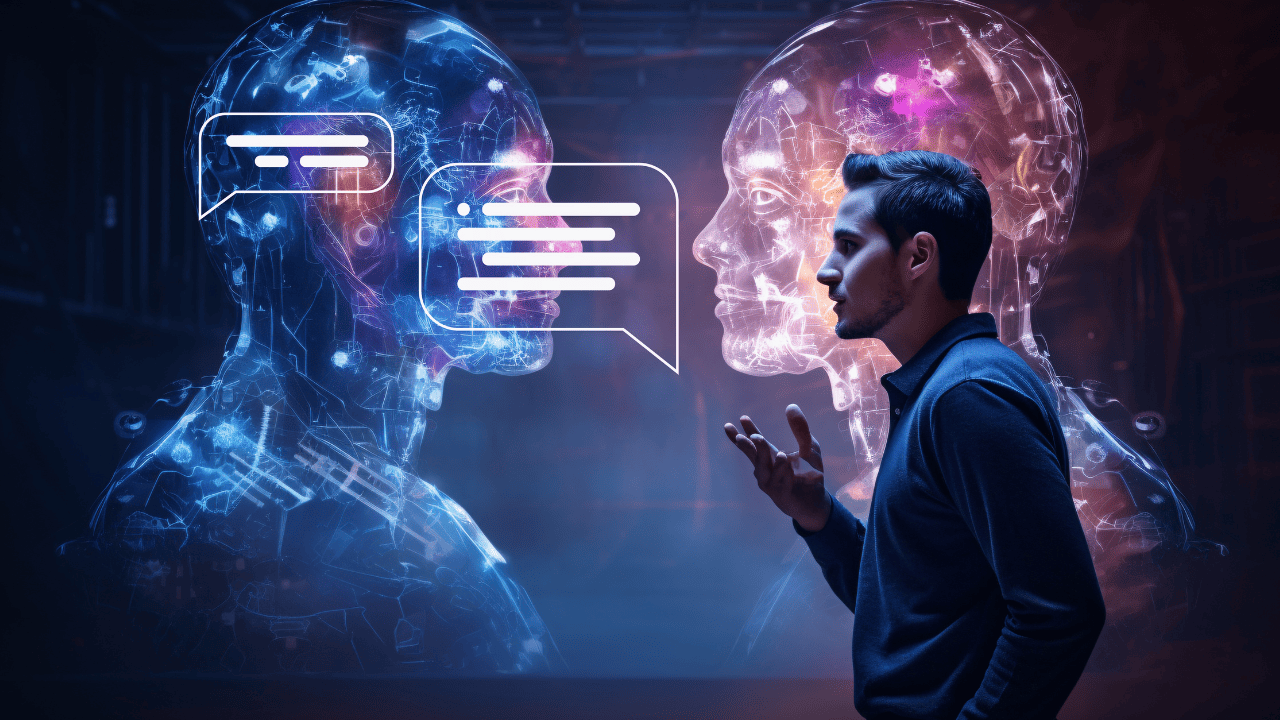
Why would anyone tell a chatbot something they would hide from a person? It runs against every instinct about trust, and yet researchers keep finding it.
People questioned by a machine own up to things they soften, dodge or bury when another human is listening. They name what embarrasses them, admit what they want, and drop the careful self-editing that governs a conversation with a salesperson or a service agent. The interesting question is not whether customers open up to AI, but why, and what a business actually gets when they do.
The Honesty Effect Is Older Than the Hype
The cornerstone study comes from USC researchers, who in 2014 ran one virtual interviewer two ways, telling some participants a human controlled it and others that it ran on its own. Those who believed they faced a computer showed lower evaluation fears and managed their self-presentation less, and observers rated them as more honest about symptoms, however awkward. What moved the result was the belief that no human was watching, not whether one actually was.
A 2024 review found people tend to disclose more to conversational agents than to humans or online forms. The reason is less about the technology than about what it removes. A machine carries no social stakes because it cannot think less of you, gossip, or remember the admission with a raised eyebrow next time.
Oxford’s research traces the candour to a weaker fear of judgment, the same anxiety that makes people downplay a complaint or inflate their budget to a salesperson. Strip out the worry about how the answer will land, and people stop curating it. Work in Nature adds that the perceived anonymity of an AI exchange does the same job, lowering the guard people raise by reflex in front of another person.
Candour and Commerce Pull Apart
A 2019 field experiment put more than 6,200 customers on outbound sales calls handled by either chatbots or people. Undisclosed bots sold as well as proficient human staff, but the moment the call opened by admitting it was a bot, purchase rates fell by 80%. The customers were not reacting to worse service, the researchers found, but to the label itself, judging the disclosed bot less knowledgeable and less empathetic before it had done anything wrong.
A recent survey found human agents still follow shifting customer language better, and trust keeps favouring people. Where empathy and complexity decide the outcome, most consumers still say they would rather deal with a person, which is why most service designs escalate to a human at the first sign of emotional weight.
The machine has its own failing, though. A 2026 Stanford study found AI models endorsed users around 50% more often than other people did, telling them what they wanted to hear. So even when candour flows toward the AI, what comes back can flatter rather than inform.
Why Teams Measure the Wrong Thing
This is where the commercial question turns sharp. According to 1mind, the deployments which engage the most can convert the least, and that qualified conversations predict revenue better than meetings booked. The finding points at a habit worth examining, counting volume over quality, and runs against the friction most chatbot programmes still create, where the majority of interactions end in frustration before anyone confesses anything.