June 30, 2026
Here Are the Hyper-Personalisation Risks Companies Need to Know
Personalisation used to be basic, but polite. You’d see your name in a subject line, or a mention of what you bought last time in a message, and think, “Hey, they remembered me.”
Then things sped up. Companies started gathering more data, automating more, and using stronger AI. It quickly got to the point where personalisation begun to feel downright creepy. Customers don’t mind too much. They’re still sharing data with brands because they want experiences that feel tailored. That doesn’t mean they’re not picky about how that data gets used.
Look at what’s happening during peak shopping moments in 2025. AI made things faster, smoother, and easier, but it also started eroding trust.
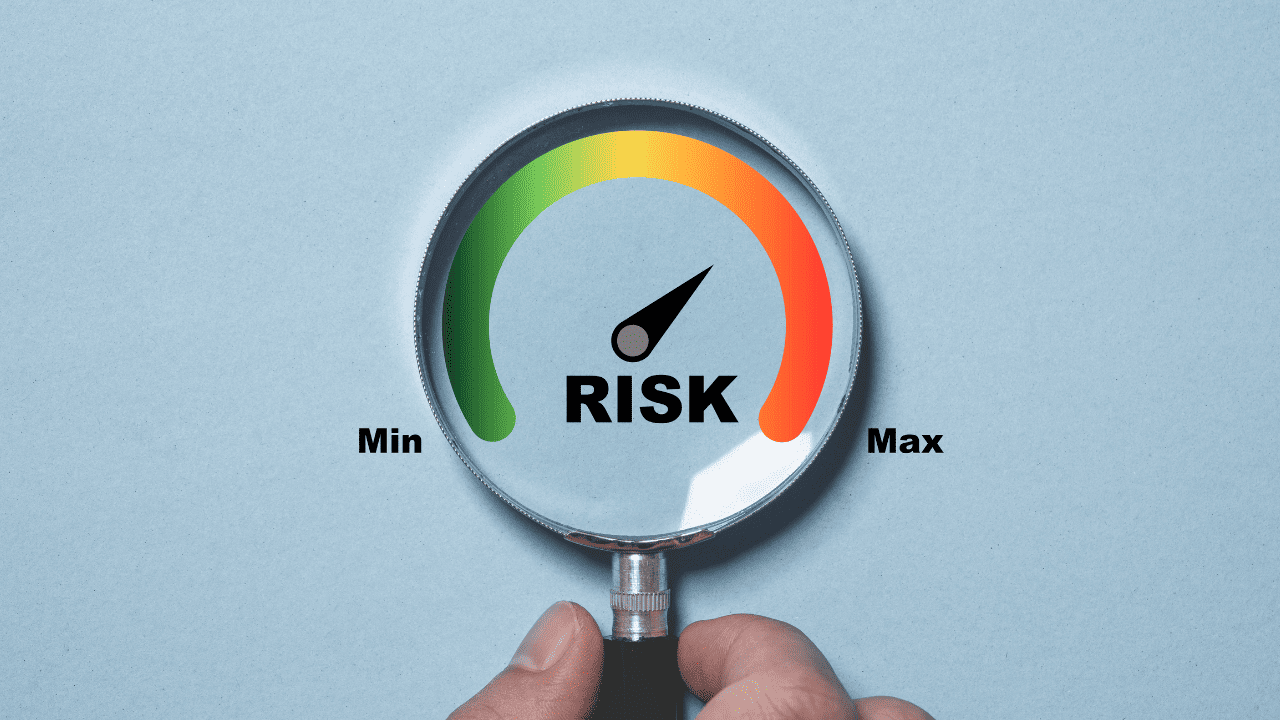
This is the problem companies need to recognise now. Personalisation is great when it works, but if you regularly ignore hyper-personalisation risks, you’re going to drive customers away and bring compliance officers straight to your door.
The Most Common Hyper-Personalisation Risks
Companies naturally expand into hyper-personalisation these days. They add new data sources, new automated workflows, and new tech, and eventually, giving everyone an ultra-bespoke experience feels easy. So they scale fast.
Unfortunately, we should have learned by now that you really can have too much of a good thing. Over-personalisation is a real problem, and it can ruin your sales, marketing, and customer service KPIs faster than you’d think.
Hyper-personalisation risks are sneaky because they’re not always about bad tech or bad actors, they’re usually about scale without judgement. Decisions happening faster than trust can keep up.
Risk #1: Trust collapse: When a brand gets “too smart”
This is the risk that hits hardest because it feels personal. A customer doesn’t think, “That campaign was pretty weird.” They think, “Why’s this brand watching me?”
There’s a famous example from a few years ago. Target used purchase patterns to predict pregnancy, figuring out who it could target with special offers. The model worked. The execution was a disaster. Sending maternity offers to a teenager before her family knew wasn’t “bold personalisation.” It was a trust breach.
The same dynamic shows up in B2B. PwC ran highly targeted ads that referenced internal searches prospects had made. The intent was relevance. The reaction was alarm. People didn’t read it as helpful. They read it as surveillance. That’s a fast way to make decision-makers wonder what else a brand can “see.”
Over-personalisation issues are sneaky here. You don’t think you’re being aggressive, you think you’re being confident, informative, and relevant. But when a message implies your brand knows what someone’s thinking, people start to get nervous.
Risk #2: Relevance failures: When personalisation is simply wrong
Personalisation engines are pretty good these days, particularly when they’re informed by your CRM, CDP, and whatever other data you’re capturing. But they’re not perfect. They can make mistakes, particularly when they’re not properly trained.
HSBC once used automated onboarding emails to speed things along for customers, but they didn’t segment by account type. That meant premium clients got irrelevant offers that didn’t match their needs or status. That’s a small operational mistake with a big emotional impact. A “top-tier” customer gets treated like a generic lead, and suddenly the whole experience feels cheaper.
Same pattern, different context: Slack targeted enterprise clients with introductory tutorials meant for small teams. It created confusion and low engagement from the people who actually influence enterprise decisions.
These hyper-personalisation risks don’t come from “creepy.” They come from systems making assumptions and pushing them out at scale. Over time, customers stop trusting the brand to understand them, even when the product is good.
Because here’s the frustrating part: bad personalisation teaches customers to ignore good personalisation. Once a brand earns a reputation for getting it wrong, the audience stops giving it the benefit of the doubt.
Risk #3: AI disclosure ambiguity: When customers feel tricked
A customer asks a question. They get a confident answer. They assume it’s human. Later, they find out it wasn’t. Or worse, the answer turns out to be wrong, and now there’s no clear accountability. That’s when the trust damage starts building.
There’s a very public example from Air Canada. Its chatbot gave a customer incorrect (but personalised) information about bereavement fares. The customer followed the guidance, was denied the refund later, and took the airline to court. Air Canada tried to argue that the chatbot was a separate system and not legally binding. The court didn’t buy it.
That case gets cited so often because it exposes a simple hyper-personalisation risk companies still underestimate. Customers don’t separate “the bot” from the brand. They don’t care which system answered them. They care that the brand answers them.
There’s another layer here. Research shows a meaningful chunk of customers don’t know whether they’re talking to a human or AI, and when they later realise it was AI, many feel misled, and they start backing off.
Brands try to make AI sound warmer, smarter, more human, more context-aware. But when disclosure disappears, the experience crosses from helpful automation into deception.
Risk #4: Bias and blind spots: When personalisation excludes the wrong people
Bias in personalisation doesn’t always look like discrimination; companies aren’t (usually) actively sending rude messages to certain customers. They’re just forgetting about specific groups.
Look at IBM, for instance; it uses data to power personalised account-based marketing strategies. Makes sense. The trouble is, in one campaign, it ended up focusing almost entirely on IT managers. That means it ignored procurement, finance, and executive stakeholders who actually influenced the buying decision. Plenty of B2B companies make the same mistake all the time.
Consumer-focused companies aren’t immune either. Amazon has been criticised for sending baby-related recommendations and registry prompts to customers who were infertile or had experienced loss. The algorithms saw signals. The system responded. The human context was missing.
Bias also shows up economically. Ride-sharing platforms have faced repeated backlash over dynamic pricing that appeared to penalise certain neighborhoods or situations. Even when the math checks out, perception matters. Personalised pricing feels unfair fast, especially when customers compare notes.
Risk #5: Fatigue: When over-personalisation turns into high-quality spam
Companies talk themselves out of worrying about overcommunication, because every message looks “relevant” in isolation. One abandoned cart nudge. One “still thinking about it?” reminder. One “people like you also bought…” follow-up. Totally reasonable. Then the customer’s phone starts feeling like it’s got a needy roommate living inside it.
It’s not single, personalised moments that cause problems here; it’s accumulation. Eventually, customers start shutting off. Research has already found 70% of consumers unsubscribed from at least three brands in three months due to excessive messaging, and 57% switching to competitors because they feel overwhelmed.
On the other hand, Bloomreach ran SMS experiments where spacing messages based on individual tolerance actually lifted engagement. Fewer sends led to better results. That’s basically the lesson. Volume doesn’t create relevance; restraint does.
Risk #6: Technical blowups: When personalisation makes a brand look careless
Nothing makes a company feel more robotic than getting the basics wrong.
A classic example: a company runs an automated email that uses generic placeholders instead of real customer names. That’s not a small mistake anymore. It’s the kind of thing customers screenshot, share, and laugh at.
Bad data and bad tech orchestration show up constantly in public-facing moments: wrong greetings, irrelevant offers, bizarre recommendations, and messages that land after a customer already solved the problem. You end up wasting marketing budgets and damaging trust at the same time.
The same problem can happen in customer service. If a system doesn’t collect and surface the correct data, customers have to re-explain things, and agents get incomplete context. Automation confidently pushes the wrong next step. That’s how “personalisation” turns into friction, and friction turns into churn.
Risk #7: Omnichannel inconsistency: Experiences don’t add up
This is one of the main hyper-personalisation risks that makes brands look disorganised.
A customer checks an account in the app, then calls support, then gets an email that acts as if none of that happened. Or they’re mid-complaint and still getting chirpy upsell nudges. Or the website treats them like a VIP, and the call centre treats them like a stranger. Same person, same week, totally different experience.
A lot of this comes down to systems that don’t talk. Or worse, systems that sort of talk but only swap the easy data. When consistency breaks down, personalisation doesn’t feel helpful anymore; it feels annoying and irrelevant. Even worse, you end up with new compliance risks to tackle.
For instance, Netflix once ended up in hot water for sharing personal viewing info publicly (even if it was framed as a joke or a harmless share). The reaction wasn’t “ha.” It was, “Wait… you’ll post that?” That’s the omnichannel problem in a nutshell. If a customer’s private context can unexpectedly show up in a public channel, the brand suddenly feels unsafe.
Risk #8: Discovery collapse: Personalisation boxes customers into a very small corner
Personalisation engines get really good at showing people what they already like. That’s the problem. Over time, customers stop seeing anything new. No surprise. No stretch. No “oh, I didn’t even know you sold that.”
Over-personalisation reduces discovery and inspiration. When relevance gets over-optimised, experiences shrink instead of expanding. You can see this in the retail industry all the time. A customer buys one category twice, and suddenly that’s all they see. Same products. Same styles. Same price range. The algorithm is confident it’s being helpful. The customer feels bored and checks out.
Streaming platforms run into the same wall. The recommendation loop tightens. People complain that “everything looks the same now.” Not because the catalog’s bad, but because the system stopped exploring on their behalf.
It’s hyper-personalisation risks like these that hit revenue. Cross-selling strategies stall and new launches struggle because companies forget that customers evolve.
Risk #9: Business goals start losing arguments to the algorithm
Personalisation engines don’t care about probability, not your quarterly priorities.
That’s how you end up with situations where marketing can’t promote a new product because the model says customers are “more likely” to buy the old one. Or inventory teams can’t clear stock because personalisation keeps pushing the same safe sellers. Or loyalty campaigns underperform because the system avoids anyone it thinks might churn.
When relevance is optimised in isolation, it can actively work against business goals like inventory movement, category expansion, or strategic launches.
This is where over-personalisation stops being a CX problem and starts becoming an operational one. Humans know when to push something new, but algorithms don’t. They only know what worked last time. When leaders eventually override the system manually, trust in the personalisation programme erodes internally too. Teams start ignoring it, or working around it.
Risk #10: Autonomy drift: Systems start making decisions nobody signed off on
This is probably the biggest risk in the agentic AI era. Personalisation tools aren’t just suggesting things anymore; they’re making decisions. Often, those are decisions that no one actually trusts them to make, but it happens anyway, automatically.
Once systems start adjusting targeting, offers, routing, or messaging autonomously, it becomes very hard to explain why something happened or who approved it. Or how to undo it.
This is how risks of hyper-personalisation turn from CX friction into compliance problems. Not because the tech is bad, but because nobody put the brakes on it early enough. Autonomy without visibility is just outsourced judgment, and judgment is the part customers expect humans to deal with.
What These Hyper-Personalisation Risks Actually Lead To
Companies aren’t ignoring these risks on purpose; they’re just not really looking for them. They only notice that they’ve “gone too far” when the results start changing:
- Customers disengage before they ever complain: They stop opening messages, or ignore recommendations. They don’t bother correcting the brand anymore. By the time churn shows up, the relationship’s already been cooling for months.
- Good personalisation gets punished for bad personalisation: Once a brand earns a reputation for being intrusive, tone-deaf, or sloppy, customers stop trusting any tailored experience. Even the genuinely useful ones get filtered out.
- Opt-outs climb faster than acquisition can replace them: Over time, over-messaging and relevance misses shrink the reachable audience. Teams spend more to talk to fewer people, then wonder why efficiency drops.
- Support teams inherit the mess: Customers arrive confused or irritated because automation already told them something different. Agents spend more time fixing context than solving problems. Handle times creep up, burnout follows.
- Costs rise in places nobody budgets for: Wasted impressions. Retargeting that never converts. Repeated contacts. Manual overrides. Personalisation failures rarely look expensive in isolation, but they stack up fast.
This is the long tail of over-personalisation. Things just slowly stop working the way they used to.
How to Avoid Hyper-Personalisation Risks, the Easy Way
The answer isn’t “stop personalising”. All you really need to do is be more deliberate with your strategy:
- Be picky about where personalisation shows up: Onboarding, recovery, renewal, and active decision moments. That’s where personalisation makes the most sense. Be cautious everywhere else.
- Be upfront about AI instead of hiding it: Say when it’s AI. Make humans easy to reach. Customers forgive mistakes faster than they forgive feeling misled.
- Make sure context moves before messages do: If marketing, sales, and service don’t share what’s happening right now, personalisation will contradict itself. And customers notice contradictions immediately.
- Put rigid boundaries around sensitive topics: Health, finances, family, loss. If someone hasn’t told you directly, that’s usually your cue to stay out of it.
- Design for fewer messages, not smarter spam: Frequency caps, cool-off periods, journey-level pacing. If the system can’t decide not to send something, it’s not actually intelligent yet.
- Assume data will rot unless you keep cleaning it: Profiles drift. Fields break. Signals go stale. Insufficient data plus automation makes a lot of noise.
- Watch trust signals as closely as engagement: Opt-outs, spam flags, repeat contacts, negative sentiment. If those slide while clicks look fine, the experience is already cracking.
- Accept that the best CX sometimes does nothing at all: You don’t need to be constantly making assumptions about what people want. Sometimes, you just need to give them space.
That’s how teams reduce hyper-personalisation risks without backing away from relevance: fewer guesses, more restraint.
Don’t Fall Victim to Hyper-Personalisation Risks
There’s a temptation to treat hyper-personalisation risks as a growing pain that teams will overcome once the models get better or the data gets cleaner. That’s a bad move.
We’re living in a world where everyone expects higher levels of personalisation all the time. You need to make experiences relevant, and you can’t treat this moment as an experiment.
Customers aren’t impressed by how much you know. They’re watching how you use it. This is why over-personalisation keeps hurting otherwise competent organisations. Not because they lack technology. Because they haven’t decided where restraint belongs.The risks of hyper-personalisation won’t disappear. But they do shrink when teams stop trying to optimise every moment and start protecting the relationship instead.