February 09, 2026
Anthropic Pokes Fun at OpenAI Over Upcoming Ads in ChatGPT
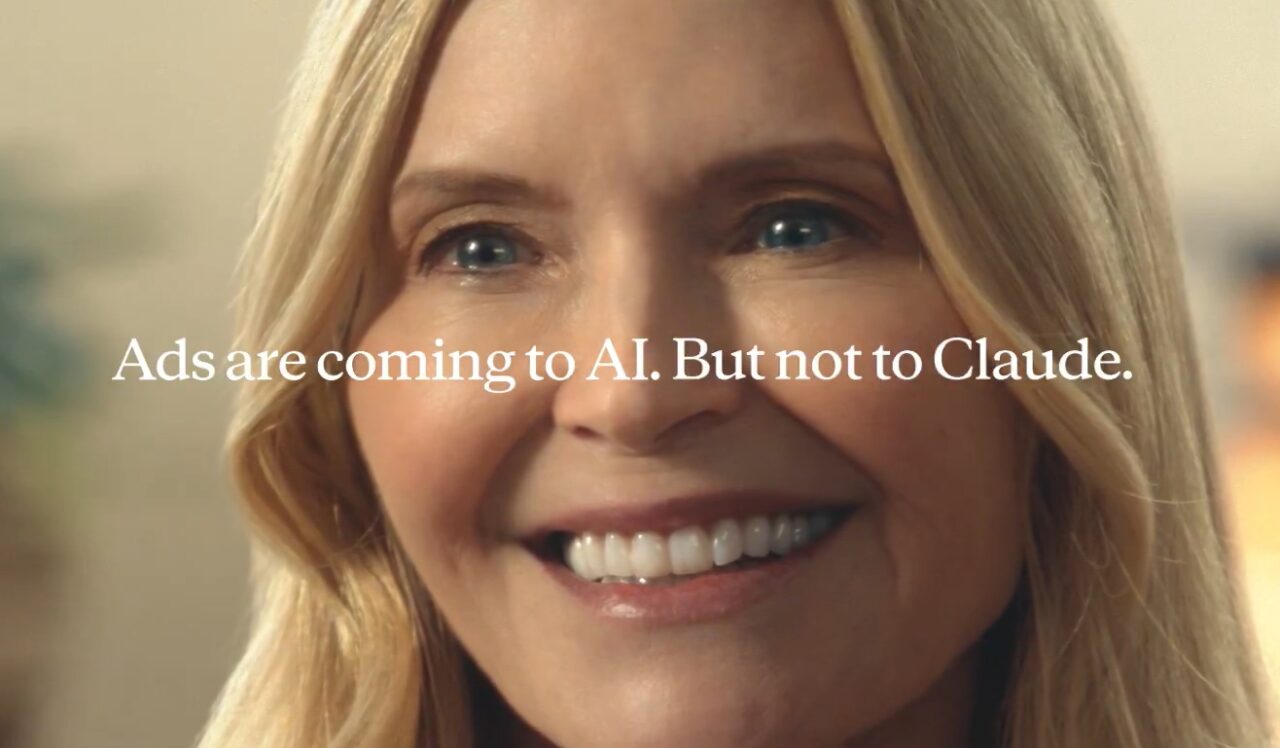
In a high-stakes marketing battle that unfolded during the Super Bowl, Anthropic launched a campaign directly mocking its rival OpenAI’s decision to introduce advertisements into ChatGPT, setting off one of the most public feuds yet in the artificial intelligence industry.
The controversy began brewing in late September 2025, when OpenAI posted a job listing for advertising infrastructure development, signalling its intention to monetise ChatGPT through ads. The move became official on January 16, 2026, when OpenAI announced it would begin testing advertisements with free users and ChatGPT Go subscribers (the $8/month tier) in the United States. The company stated ads would be clearly labelled, appear at the bottom of chatbot responses, and would not influence ChatGPT’s answers.
Less than three weeks later, on February 4, 2026, Anthropic announced that Claude would remain completely ad-free in the Super Bowl advertising campaign. In a blog post, Anthropic committed to keeping its chatbot free from sponsored links and third-party product placements. Four days later, on February 8, two of Anthropic’s four satirical commercials aired during Super Bowl LIX, reaching an estimated 120 million viewers with the tagline: “Ads are coming to AI. But not to Claude.”
OpenAI’s Response
Anthropic’s four one-minute commercials humorously depict AI assistants, represented by real people speaking in unnaturally effusive tones, forming relationships with users before abruptly pivoting to hawk products.
One commercial shows a fitness question veering into an unsolicited pitch for shoe insoles mid-response. Each commercial carried provocative headlines like “Deception,” “Betrayal,” “Treachery,” and “Violation,” and concluded with a snippet from Dr. Dre’s song “What’s the Difference”.
The cheeky ads were met with sharp criticism from OpenAI CEO Sam Altman, who took to X (formerly Twitter) to share his thoughts. He called the ads “funny” but “clearly dishonest,” arguing that OpenAI would “obviously never run ads in the way Anthropic depicts them.”
“We are not stupid and we know our users would reject that,” Altman wrote. “I guess it’s on brand for Anthropic doublespeak to use a deceptive ad to critique theoretical deceptive ads that aren’t real.”
Altman also took shots at Anthropic’s business model, claiming the company “serves an expensive product to rich people” and boasting that more Texans “use ChatGPT for free” than all Americans who use Claude combined.
OpenAI president Greg Brockman also joined the fray, reposting comments about “a fundamental difference in our respective outlooks on AI,” contrasting OpenAI’s “positive outlook” with what he characterised as Anthropic’s “negative one”.
The Business Context
The clash highlights the different monetisation strategies pursued by the two AI companies. OpenAI has been under pressure to generate revenue after inking more than $1.4 trillion worth of infrastructure deals in 2025.
Anthropic, by contrast, has centred its revenue model on enterprise contracts and paid subscriptions. In its February 4 blog post, the company explained: “Our business model is straightforward: we generate revenue through enterprise contracts and paid subscriptions, and we reinvest that revenue into improving Claude for our users”.
The company acknowledged this choice involves tradeoffs, noting that “other AI companies might reasonably reach different conclusions”.
This isn’t the first time Anthropic has taken subtle jabs at OpenAI. In May 2025, the company posted billboards around San Francisco reading “The one without all the drama“, widely interpreted as a reference to the chaotic November 2023 boardroom coup attempt against Altman at OpenAI.
Will Anthropic Keep Its Promise?
While Anthropic has made a public commitment to keeping Claude ad-free, questions remain about the sustainability of this approach long-term. The company is reportedly preparing for an IPO in 2026, which could bring new pressures from public market investors to maximise revenue.
Will Anthropic’s principled stance survive the demands of Wall Street, or will today’s moral high ground become tomorrow’s abandoned promise?