February 03, 2026
Behind Every Sale, There’s a Return Waiting to Happen
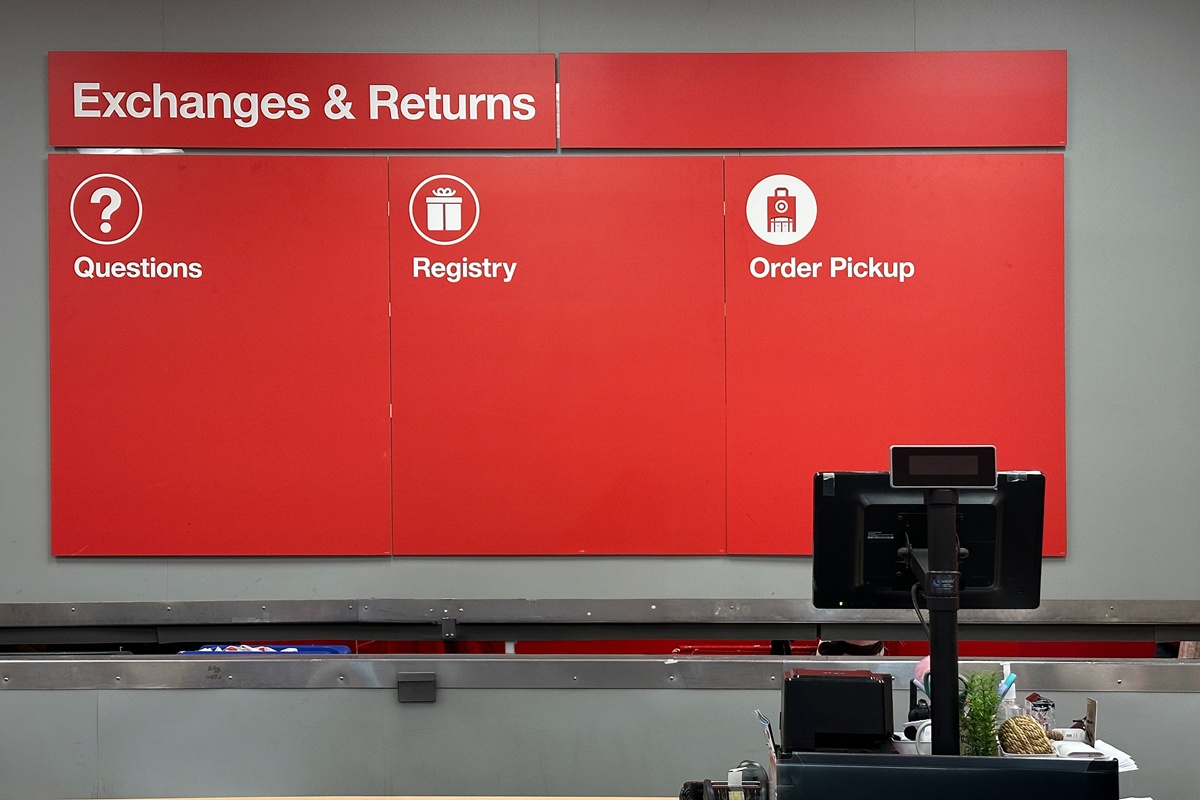
If you thought the hard part of the holiday shopping season was getting products into customers’ hands, think again. ACI Worldwide’s new data shows that returns are surging, and the cost of handling them is climbing with it.
ACI Worldwide’s latest Global Ecommerce Report puts a concrete figure on what many retailers have long suspected. Over the course of 2025, the total number of refund transactions processed across the global retail industry jumped by 18% compared to the year before. The total dollar value tied to those refunds climbed as well, rising 12% year on year.
The interesting detail buried in that comparison is that refund frequency went up faster than the money behind it. More customers are sending things back, but the average size of each individual refund is actually trending down.
Returns are no longer about a handful of big-ticket purchases gone wrong, but a routine part of how people shop.
The Holiday Effect
The spike in returns did not happen evenly throughout the year. The biggest surge hit during the final two months, when shoppers are at their most active. November and December together made up roughly 20% of all refunds recorded in 2025.
The refund rate in December hit 3%, meaning that for every 100 transactions processed, nearly three resulted in a return. Between January and October, the average refund rate sat at 2%. November came in at 2.28%, only slightly above the rest of the year, before December surged ahead.
Several factors likely contributed to that December spike. Extended return windows, which many retailers offer as a goodwill gesture during the festive period, give customers more time and less pressure to make a decision. The flexibility, while great for customer satisfaction in the short term, also opens the door to higher return volumes and, as we will explore shortly, to fraud.
Online Shopping Is Still Winning. Returns Are Tagging Along
The refund surge is happening against the backdrop of continued, strong growth in online retail. Ecommerce transaction volumes across all retail sectors grew by 28% in 2025, while the total value of those transactions rose by 34%. Shoppers are buying more online, spending more money doing it, and trusting digital platforms to deliver.
While ecommerce is outpacing refunds in terms of raw growth, the financial weight of those returns is heavier than it first appears.
ACI’s analysis suggests that for every one million dollars a retailer processes in refunds, the true cost lands closer to 1.3 million dollars once you factor in the full picture. This includes the logistics of getting products back, the drop in value of returned inventory, the fees involved in processing the payment reversal, and the overhead costs tied to dealing with fraudulent claims.
In other words, refunds are an operational and financial drain that compounds behind the scenes.
Fraud Is Lurking in the Returns Process
It would be easy to assume that every refund request is a genuine customer who simply changed their mind. As return volumes have climbed, so too has the opportunity for bad actors to exploit the system. Fraudsters know that busy periods, particularly the weeks surrounding the holidays, are times when retailers are processing enormous volumes of transactions and scrutiny can slip.
This is why many merchants are borrowing tools and strategies such as real-time monitoring, AI-powered identity checks, and adaptive return policies and applying them directly to returns.
Retailers need to find the right balance. They clearly need tighter controls on returns, but not at the expense of the customer experience. Refunds are growing, but not nearly as fast as ecommerce itself: transaction volumes are up 28% compared to an 18% rise in returns. This gives retailers room to introduce smarter safeguards without alienating the majority of shoppers who are returning items for perfectly legitimate reasons.
The Experience Matters as Much as the Sale
Retailers who treat returns as a core part of the customer journey, rather than simply a cost to be cut, will be in a stronger position. A process that feels fair and straightforward builds the kind of trust that keeps customers coming back, and in a retail landscape driven increasingly by online shopping, that trust matters more than ever.
Customers, it turns out, have a lot to say about it. Survey data from Ada found that 55% of shoppers have already made or plan to make a post-holiday return, yet only 36% are very satisfied with how the process is handled. Unexpected fees, unclear policies, and shipping frustrations are the biggest pain points, and 57% say a poor returns experience would stop them buying from that brand again.
The encouraging sign is that shoppers are open to new solutions. Around 45% already feel comfortable using AI to manage returns, and 60% would welcome it if it could answer questions and process things quickly.