April 24, 2026
Consumers Have Made Their Choice: Texting Beats Email, Phone, and Social for Almost Every Message Type
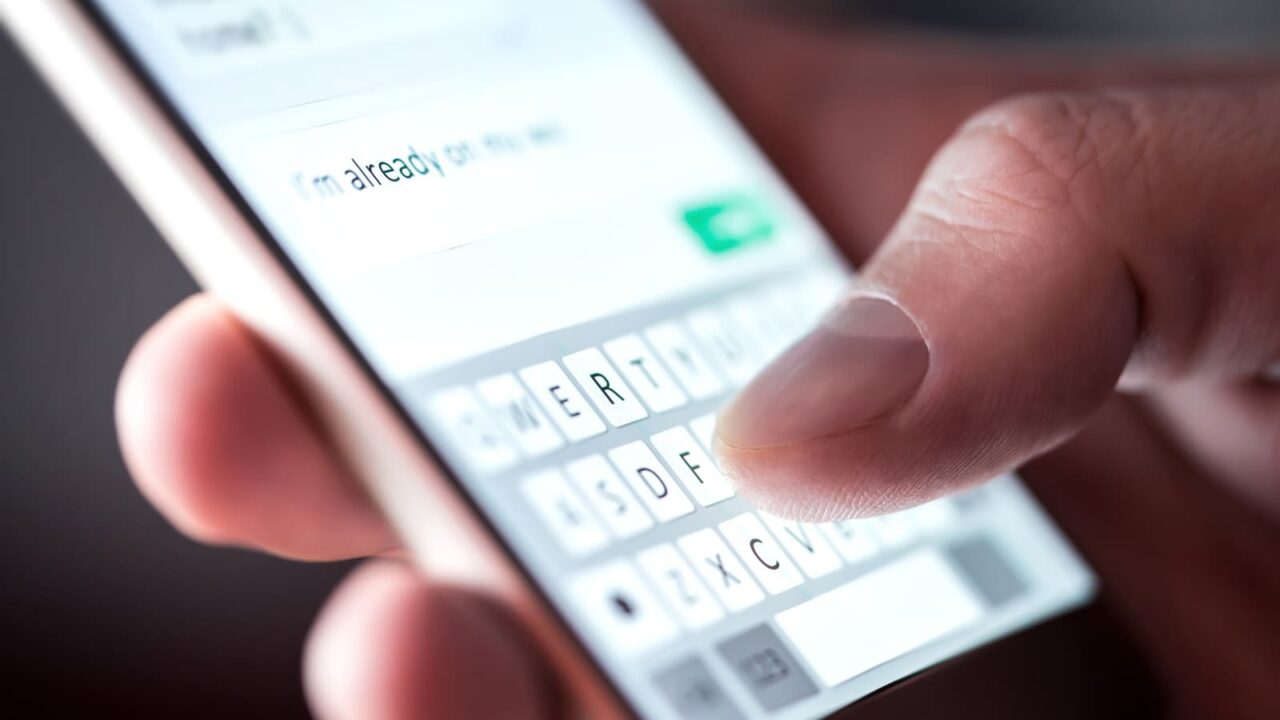
Texting has become the preferred channel for 90% of message categories that consumers receive from businesses, according to a survey that found SMS has pulled decisively ahead of email, phone calls, and social media in the race for consumer attention.
The 2026 Consumer Texting Behavior Report from EZ Texting, the fifth annual edition of the SMS marketing platform’s consumer survey, found that 89% of respondents have opted in to receive texts from at least one business, up from 66% five years ago. Appointment reminders lead the pack at 65%, followed by account security alerts at 62%, emergency notifications at 58%, and delivery confirmations at 56%. The only category where email still edges ahead is polls and surveys, a holdout that is likely explained by the length and complexity of survey formats rather than any particular consumer affection for the inbox.
No other channel comes close to matching the response speed that SMS delivers. According to the report, 87% of consumers check a new text within 15 minutes of receiving it, with 32% reading it immediately and another 40% opening it within five minutes. Nearly 70% said they expect a business to respond within an hour when they send a message, a finding that carries serious operational implications for any company running two-way SMS programmes. As CX automation increasingly relies on AI and real-time decisioning to keep pace with consumer expectations, the ability to respond quickly through text is becoming a baseline requirement rather than a competitive advantage.
Personalisation and Rich Media Win Attention
The commercial argument for business texting extends well beyond open rates and read times. Almost 70% of consumers said they are more likely to purchase from a business whose texts they subscribe to, up from 58% in 2023, and 62% said they are willing to opt in before they have ever made a purchase, which turns SMS subscriber lists into an acquisition pipeline as much as a retention tool. A further 54% reported that their interest in a product increased after receiving a text about it.
The study found that 51% of consumers said the most valuable form of personalisation is interest-based discounts and offers, followed by reminders tailored to specific appointments, orders, or activities at 45%, and problem-solving recommendations at 36%. Only 9% said they preferred generic messages, which makes a strong case for investing in segmentation and behavioural data over volume-driven campaigns.
Visual content is also proving its value in promotional texts, with 64% of consumers saying they are more likely to click or make a purchase when a text includes an image. This finding supports the case for MMS and richer messaging formats in marketing campaigns, just in time when next-generation standards like RCS are gaining traction by offering verified brand identities, product carousels, and interactive buttons inside the native messaging app.
Frequency Is the Fastest Way to Lose a Subscriber
If there is one warning that businesses should pay attention to, it is that consumer tolerance for high-volume messaging is shrinking. Message frequency is the number one opt-out trigger, cited by 40% of respondents, while irrelevant content drives 18% to unsubscribe and inconvenient timing accounts for another 10%. A quarter of consumers selected all three factors, which suggests that by the time someone opts out, the damage has typically accumulated across multiple failures at once.
In 2025, 69% of consumers said they were open to receiving two or more texts per day from a single business, but that figure fell to 59% in 2026. Those who prefer fewer than one text per day climbed from 32% to 41% over the same period, a meaningful tightening that should give pause to any brand treating SMS as a high-frequency channel.
Two-Way Conversations and Automation
One-directional SMS blasts are losing relevance as consumers increasingly expect to reply, ask questions, and resolve issues through text. In the “always or most of the time” bracket, text (46%) has now overtaken phone calls (43%) as the preferred method for consumers to contact a business. Respondents said they use text to respond to promotions (48%), ask product questions (45%), handle refunds and returns (39%), and provide product feedback (39%).
Automation is gaining acceptance alongside that two-way trend, with 54% of consumers saying they are comfortable interacting with automated text assistants and another 25% open to it depending on the quality of the experience. The remaining 20% are not comfortable with automation at all, and consumer perceptions of texting as “personal” and “interactive” have both declined since 2024, a signal that people notice when conversational tone is replaced by a bot.
SMS Enters EX
One of the report’s less expected findings is the continued growth of employer-to-employee texting. The study found that 71% of consumers are open to receiving texts from their employer, up from 58% in 2021, suggesting that SMS is moving into employee engagement, shift scheduling, HR alerts, and internal communications at a pace that mirrors its adoption in customer-facing contexts.