
June 24, 2026
Microsoft Folds Workforce Management Into Dynamics 365, Gifting One Less Tool for Contact Centre Leaders to Juggle
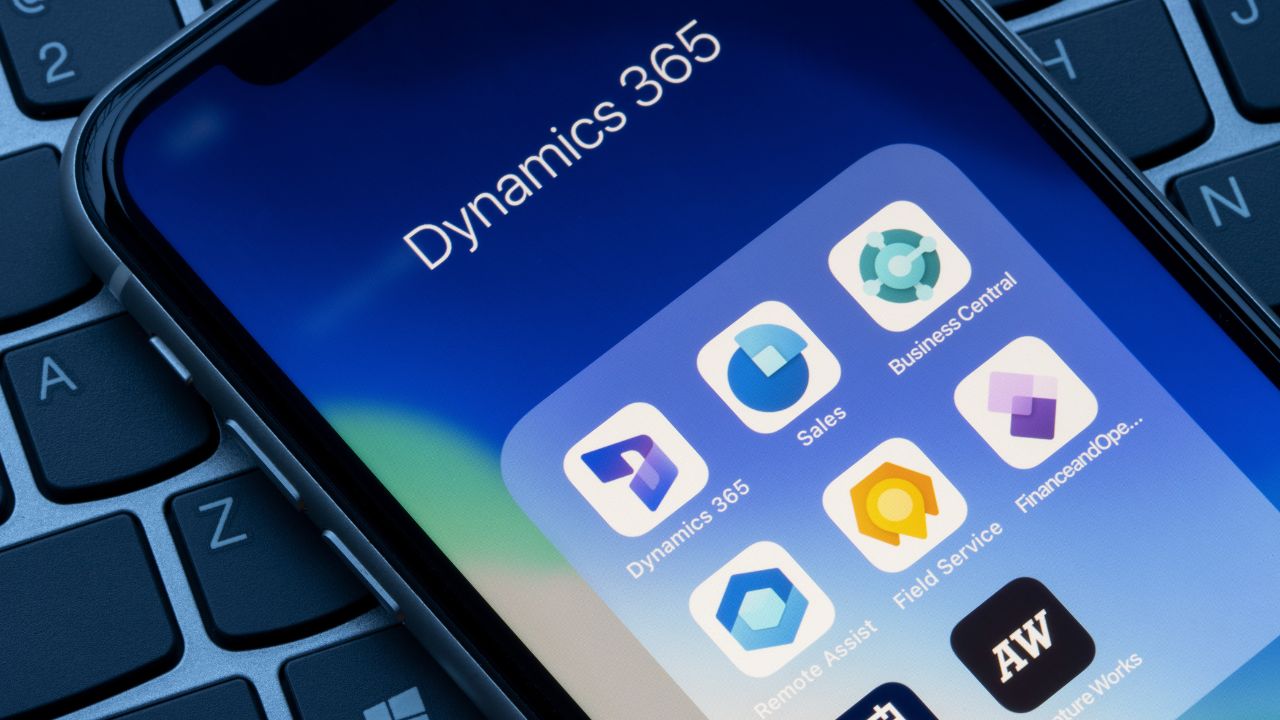
Workforce engagement management (WEM) is now embedded directly in Dynamics 365 Customer Service and Contact Center. It will reach general availability on 30 June 2026. The announcement brings demand forecasting, shift scheduling, quality monitoring, and real-time coaching into the same platform. Crucially, it will also have the same dataset as the customer interactions themselves, streamlining contact centre operations.
It is a useful step forward for any organisation already running Dynamics 365. Most contact centres have historically relied on separate workforce management tools from vendors such as NICE, Verint, and Calabrio. These traditionally sit alongside the contact centre platform without ever fully integrating with it. The result is supervisors pulling data from one system, reconciling it with another, and making staffing and quality calls on information that was always a step behind.
The WEM capabilities cover the main workforce planning functions. These include demand forecasting built from live cases and conversations rather than historical exports, shift scheduling, schedule adherence tracking, intraday shift swapping, and time recording. Because these tools now share the same data model as Dynamics 365 itself, workforce plans are generated from current interaction volumes rather than figures imported from a disconnected system.
Darya Mazandarany, Corporate Vice President of Dynamics 365 Contact Center, and Deva Rajamohan, Corporate Vice President of Dynamics 365 Customer Experience, wrote in an announcement blog:
“For customer experience leaders, this creates a different operating model. Real customer demand, including conversations, email, cases, and channel activity, becomes the direct input to workforce planning. Forecasts are built on actual service interactions, which is only possible when workforce management shares the same data model as the interactions it supports. As a result, organisations can create more balanced, manageable workloads for employees.”
What Else Was Announced?
The announcement also expands Microsoft’s Quality Assurance Agent, delivering coaching during live interactions rather than in post-call reviews. The agent monitors voice and digital conversations in real time. It scores them against criteria, such as empathy, compliance, and communication, that supervisors configure themselves. When quality drops or a compliance flag is raised, agents receive a contextual nudge and supervisors get an alert. This occurs during the interaction rather than after it. Supervisors retain full control over the rules and thresholds that govern what triggers a response.
The third element is a set of real-time wallboards giving supervisors a live view of queue depth, service levels, and team performance. This is standard contact centre information, but now accessible from within the same interface rather than a separate reporting tool.
- Microsoft Adds Conversation Orchestration to Dynamics 365, Elevating Live Queue Intelligence
- Copilot Cowork For Dynamics 365 is Now Generally Available: Microsoft Winds Up Its AI Clockwork for CX Teams
What Dynamics 365 Workforce Management Means for the Market
Microsoft’s move brings it into direct competition with the specialist contact centre workforce management vendors that have led the space. The consolidation case for existing Dynamics 365 customers is clear, however. Native WEM removes a vendor, eliminates an integration layer, and closes the data gap between workforce planning and live customer demand.
Microsoft’s own 2026 Work Trend Index, drawing on surveys of 20,000 AI-using knowledge workers across 10 markets, found that organisational factors such as management structures and operational systems account for twice the AI impact of individual effort. The WEM announcement is, in some part, Microsoft’s attempt to address that within its own product. It aims to give supervisors the right data, at the right time, in the system they already use.
Microsoft’s 2026 Work Trends Index noted:
“The constraint for most firms is the gap between what their employees can now do and what their organisations are built to support.”
For buyers with existing WEM investments, perhaps the most significant juncture is whether depth matches breadth. Specialist platforms retain advantages in areas including advanced gamification, learning management integration, and workforce management across mixed-vendor contact centre estates. The native Dynamics 365 offering is a strong fit for shops already committed to the Microsoft ecosystem. However, it is a harder case to make for operations running two or three different contact centre platforms globally.
What It Means for Contact Centre Teams
For supervisors, the day-to-day benefit is straightforward. One screen rather than three, and staffing plans that reflect what is actually happening on the floor rather than what happened last week.
Real-time coaching nudges during live conversations will need careful introduction for frontline agents. The line between in-the-moment support and surveillance that unsettles is a change management question. How organisations communicate the purpose of live quality scoring, and how they involve agents in setting the standards it enforces, will matter considerably for whether it lands as helpful or intrusive.
The WEM capabilities are included with Dynamics 365 Customer Service Enterprise and Premium SKUs, and available with the Contact Center Voice + Digital SKU.