March 13, 2026
Easy Checkout Makes People Spend More (Without Noticing)
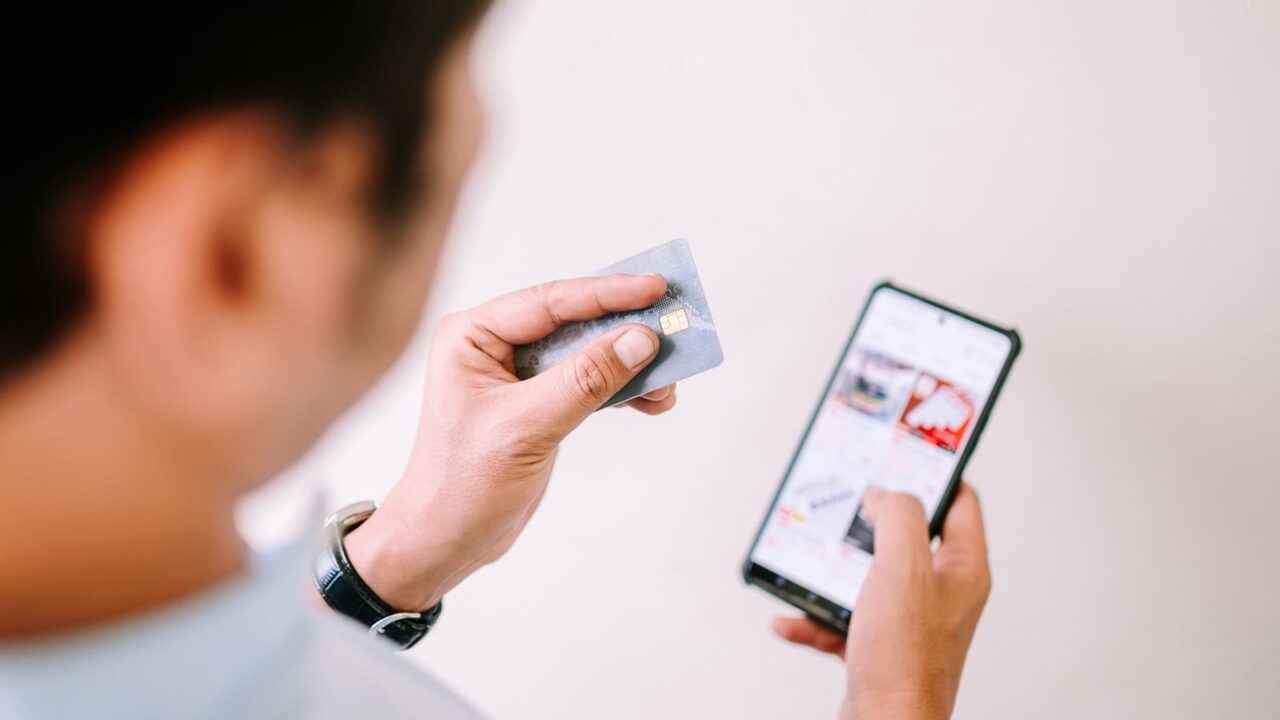
The easier it is to pay, the more people spend. That much is obvious. What’s less obvious is how many of them don’t realise they’re doing it.
NMI’s Psychology of Payments survey of 1,000 US adults set out to measure how digitalisation has changed spending behaviour.
According to the findings, half of consumers shop more often when payments feel seamless. An equal share (50%) walks away when checkout becomes complicated or frustrating. The experience of paying has become as important as the product itself.
Forty-eight percent say they spend more at checkout when the process is fast and frictionless. More than half (52%) prefer a secure, one-click online checkout over a slower in-person transaction with a cashier, rising to 61% among parents with children under 25.
Loyalty perks tied to checkout are adding momentum. Over half of consumers (52%) say rewards like cashback, gamified programmes, and buy now pay later (BNPL) options make them shop online more frequently. Among Gen Z, that figure hits 72%.
The stakes around getting checkout right are high. Qualtrics revealed that poor customer experiences put nearly $4 trillion in global sales at risk, with payment friction among the fastest ways to lose a sale.
Out of Sight, Out of Mind
The more telling finding is how frictionless payments affect financial awareness. Among all respondents, 37% of Gen Z admit they have spent more at checkout without realising it, compared to 22% overall. Nearly a third of Gen Z say their relationship with money has deteriorated, precisely because seamless transactions make spending feel abstract.
BNPL makes it worse, because when payments are split into instalments, the full cost becomes easier to ignore. More than a third of consumers (35%) say they have used BNPL specifically to make purchases feel less real. Among Gen Z, that rises to 49%. A similar proportion say they have relied on BNPL to fund purchases they could not afford upfront, again, 49% among Gen Z versus 12% of Baby Boomers.
Interestingly, younger consumers are also trying to self-correct. Over half of Gen Z (51%) say they use debit cards deliberately to avoid building up a credit balance, and 17% use cash to cap their spending to what they physically have. The same generation most drawn to digital speed is also the most likely to reach for analogue guardrails.
The SMB Blind Spot
The research says the retailers are not ready for the new era of consumer spending. NMI Chief Growth Officer Peter Galvin noted that 40% of small businesses still do not accept digital wallets, and half lack any ecommerce presence at all. As consumer expectations continue to move in one direction, the issue becomes harder to justify.
Convenience and personalisation are now baseline expectations in retail CX. That said, businesses that have not yet modernised their checkout are not just missing sales; they are losing customers to whoever has.
Despite their comfort with digital payments, 88% of respondents say teaching financial literacy has never been more critical. The irony is that Gen Z, the group most affected by spending invisibility, is the least likely to agree, with only 83% sharing that view compared to 92% of Baby Boomers.
Galvin argues the answer is not to slow down the checkout experience, but to embed financial transparency into it, giving consumers real-time visibility into their spending without adding friction.