
June 22, 2026
Fake Returns Are Costing Retailers £29 Million
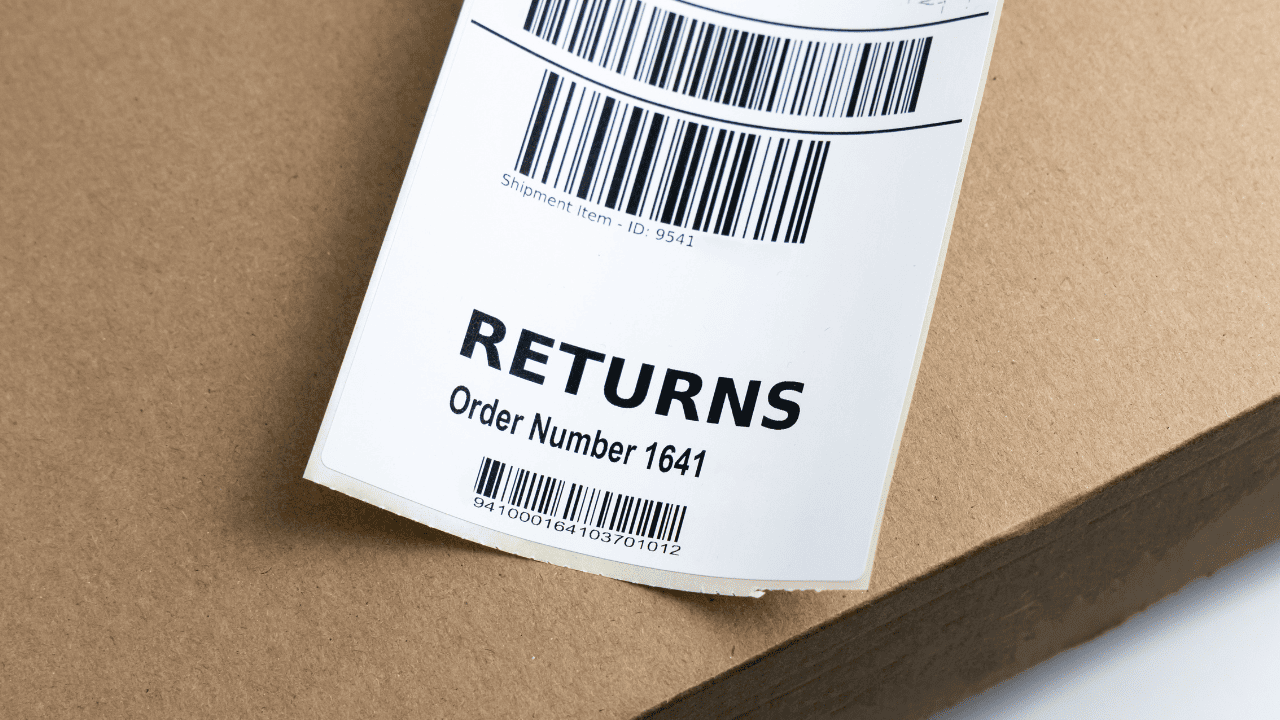
Online returns have become a normal part of shopping and a quiet drain on the retailers who handle them. New research suggests that a meaningful share of what comes back is not what it claims to be, and that most retailers have no reliable way to catch it.
ReBound Returns, a returns management firm, screened one million real returned orders handled for its retail clients and flagged that amount as potentially fraudulent, with the full findings set out in a report titled The Returns Fraud Playbook.
Return rates are now close to 20% of all online sales, and the US returns market alone is worth almost $850 billion. As more goods come back, more of those returns turn out to be dishonest. The Merchant Risk Council currently rates refund and returns policy abuse as the most common type of fraud merchants face, and refund and returns abuse has grown into one of the fastest-growing problems in digital commerce. Retailers have spent heavily on stopping fraud at the moment of purchase, using identity checks and risk scoring, yet the return itself has stayed mostly unwatched.
Refund First, Inspect Later
Retailers frequently issue the refund before the item is physically checked, and the data needed to judge a return is in separate systems across websites, stores, and marketplaces. As a result, teams have no single view of what is coming back.
“The returns process has become a blind spot for retailers,” said Wouter ten Heggeler, Product Manager at ReBound Returns. He said most investment goes into the point of purchase, so once a return starts, retailers lose the visibility they need to see what is actually arriving. The result, he added, is that many absorb losses they cannot even identify, let alone measure.
The steady rise in online returns has squeezed retailers financially for years, and the cost of getting returns wrong climbs as volumes grow.
The Longer Someone Holds an Item, the Riskier the Return
ReBound found that customer behaviour offers strong warning signs. The longer a shopper keeps a product before sending it back, the higher the chance the return is dishonest. A normal return is sent back after a median of 9.5 days. For returns flagged as suspicious, that time nearly doubles to 18 days.
When it comes to countries with the highest numbers of fraudulent returns, Poland recorded the highest rate of identified fraud at 6.6 percent, followed by Denmark at 5.3 percent. Both sat well above the overall average of 3.9 percent.
A mid-market fashion retailer with £100 million in sales, a 20% return rate, and a 5% fraud rate would lose a projected £1 million a year. A large omnichannel retailer with the same fraud rate would lose £3.5 million. At enterprise scale, with £960 million in sales and a 7% fraud rate, the projected yearly loss reaches £20 million.
Attitudes do not help retailers either. UK fraud prevention service Cifas reports that 17% of adults do not believe claiming a refund dishonestly is illegal, while 35% of 16 to 24 year olds said they would lie to get one.
Catching Fraud Before the Refund Goes Out
Most current systems still rely on fixed rules and manual review, with little ability to predict behaviour or flag risk before money leaves the business.
Catching returns fraud earlier calls for a different model which that combines behavioural analysis and risk scoring the moment a return starts, physical checks at the warehouse, and connected data across every channel. Handled well, that approach catches dishonest returns before they turn into a loss, and without slowing down the honest customers around them.