
February 19, 2026
Krisp Launches Voice Translation SDK to End Language Barriers in Live Customer Conversations
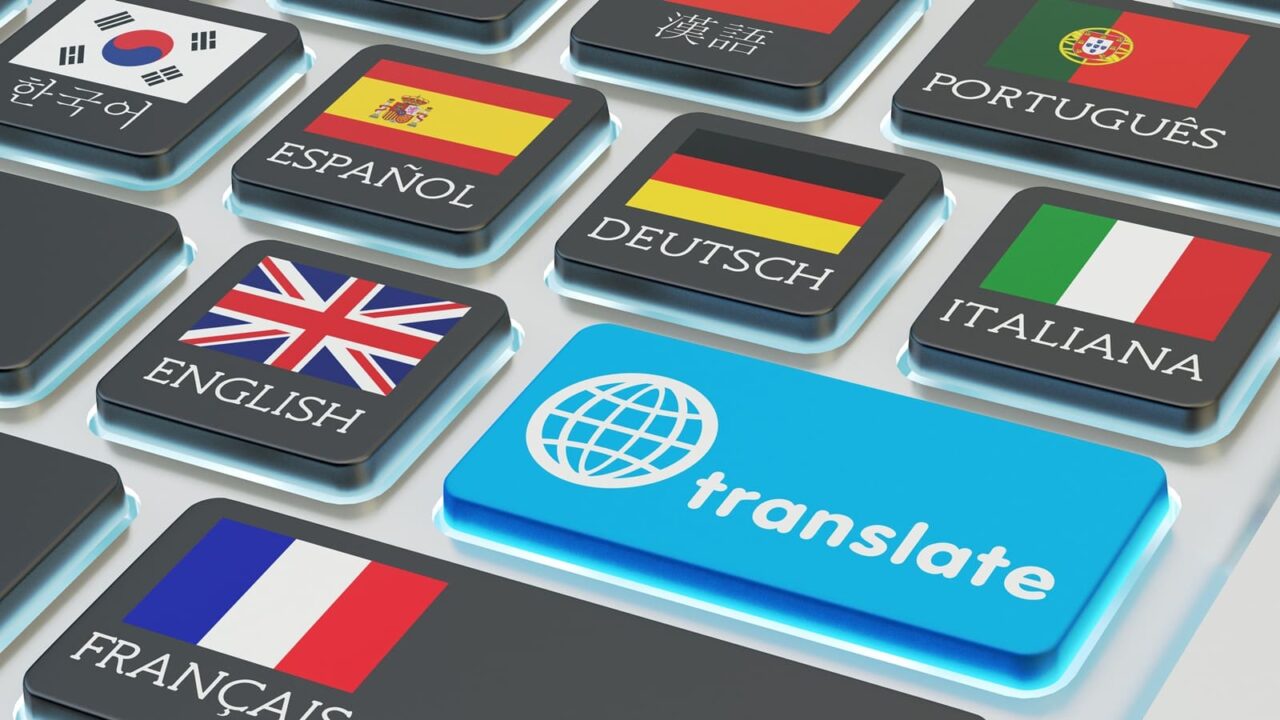
Krisp has launched its Voice Translation SDK, enabling CX platform developers to embed real-time, voice-to-voice translation directly into live customer conversations. The SDK supports more than 60 language combinations and is built for synchronous, two-way interactions where clarity and conversational continuity cannot be compromised.
Krisp’s Voice Translation has been running inside live contact centre environments since 2025 as part of its Call Centre AI platform, processing real customer conversations globally before the SDK was made available to developers. The launch essentially opens that production-validated engine to the broader CX development community.
The SDK is available for Windows, macOS, and web-based applications, making it compatible with a wide range of existing CX infrastructure. Before any audio is sent to the cloud for translation, Krisp applies local noise cancellation to isolate the speaker’s voice and filter out background interference, a step that directly improves recognition accuracy and translation quality. The SDK also supports custom vocabulary and domain-specific dictionaries, allowing teams in industries like healthcare, finance, or telecommunications to enforce precise terminology across every conversation.
Why Real-Time Voice Translation Is a Different Problem
Building a translation tool for recorded or written content is one challenge. Building one for live voice conversations is a completely different problem. Audio streams are continuous, accents vary widely, background noise is common, and conversations move fast. If a system waits too long to process what someone said, it breaks the natural rhythm of the call. If it rushes and cuts corners on context, it produces errors that make the conversation worse, not better.
Krisp’s SDK balances these competing constraints, keeping latency low enough to preserve conversational flow, while maintaining the accuracy needed to make translation actually useful in a professional setting.
Companies with global customer bases can leverage this to transform multilingual support. Most businesses currently either limit the languages they support, hire agents with specific language skills, or route calls through third-party interpreter services. Each of these approaches adds cost, complexity, or delays. Real-time voice translation built into the platform itself removes that problem at the infrastructure level.
Davit Baghdasaryan, Co-Founder and CEO of Krisp, said: “In global customer experience, every language barrier directly impacts speed and customer satisfaction. Removing language friction changes the economics of global support.”
Strengthening the Portfolio
The launch adds to Krisp’s existing voice AI portfolio, which includes noise cancellation, accent conversion, and voice isolation tools designed to improve how AI-powered agents handle turn-taking and interruptions. The company says its technology powers voice communication across more than 200 million devices globally and processes over 80 billion minutes of voice conversations every month.
Krisp has been building toward this moment for some time, with earlier voice translation capabilities already making an impact in production contact centre environments. The SDK release puts that capability directly into the hands of the developers who build the platforms agents use every day.
The timing aligns with a broader industry reality, as research shows 98% of contact centres are already using AI in their operations, yet 61% of leaders say customer conversations are getting harder. Language barriers are one piece of that puzzle, and real-time translation at the infrastructure level is a meaningful step toward addressing it.