
March 13, 2026
Microsoft Brings AI-Powered Health Intelligence to Copilot Users
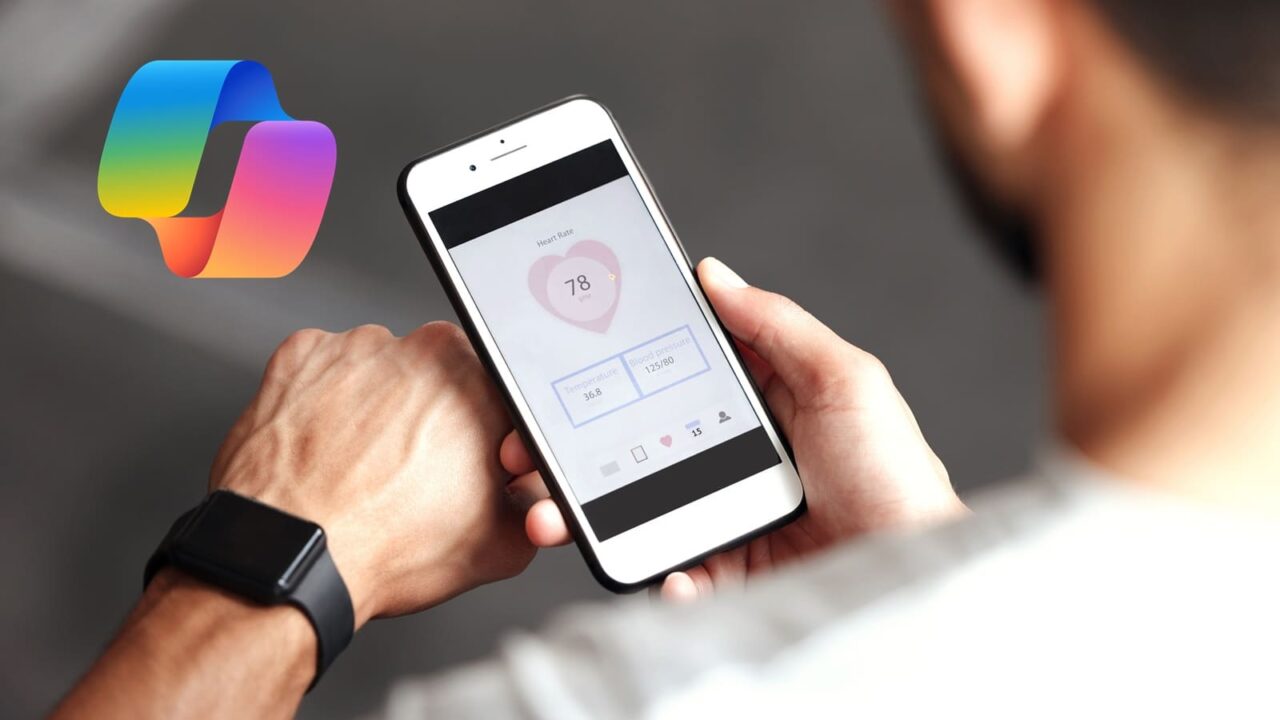
Microsoft has launched Copilot Health, a dedicated section within its Copilot platform designed to help users make sense of their personal health information. The announcement reflects the company’s push to apply AI to individual well-being, building on its existing AI infrastructure across consumer and enterprise products.
The tool pulls together data from wearable devices, electronic health records, and lab results into a single profile, then uses AI to identify patterns and surface insights that users can act on. Microsoft says the goal is to help people arrive at doctor’s consultations better prepared, with the right questions and a clearer picture of their own health.
What Copilot Health Does
Users who connect their data can expect to see information drawn from over 50 wearable devices, including Apple Health, Oura, and Fitbit, alongside health records from more than 50,000 US hospitals and provider organisations via HealthEx. Comprehensive lab results from Function are also included.
The AI then works across that data to highlight connections that might otherwise go unnoticed, such as the relationship between sleep quality and other health indicators. Microsoft says this is turning raw data into a coherent story, rather than a list of disconnected readings.
On the general health information side, the platform already fields over 50 million consumer health questions per day across Microsoft’s products. Copilot Health builds on this by elevating responses with verified information from credible health organisations across 50 countries, alongside expert-written content from Harvard Health. Real-time US provider directories have also been integrated, allowing users to search for clinicians by speciality, location, language, and insurance.
The Road Toward “Medical Superintelligence”
Microsoft’s AI Diagnostic Orchestrator, referred to as MAI-DxO, is already showing results in research settings, and forthcoming publications are set to detail how it can be applied to a wider range of clinical conditions. The company’s stated goal is to give users access to AI that combines the knowledge of a general physician with the depth of a specialist, something it calls “medical superintelligence.”
Any new features drawing on these capabilities will only be released after rigorous clinical evaluation and with clear labelling, the company adds.
Privacy and Safety Guardrails
Copilot Health operates in a separate environment from the broader Copilot platform, with additional privacy controls and no use of personal health data for AI model training. Users can disconnect data sources at any time. The service has ISO/IEC 42001 certification, the world’s first standard for AI management systems, meaning an independent third party has verified how the AI is built and governed.
The product has been developed with input from an internal clinical team and an external panel of over 230 physicians from more than 24 countries. Partnerships with organisations including AARP and the National Health Council are intended to keep accessibility for older and underserved populations front of mind.
Copilot Health is being rolled out in phases. A waitlist is open for users who want to join the early access community.