March 20, 2026
Toma IQ Turns Employee Behaviour into AI Policy
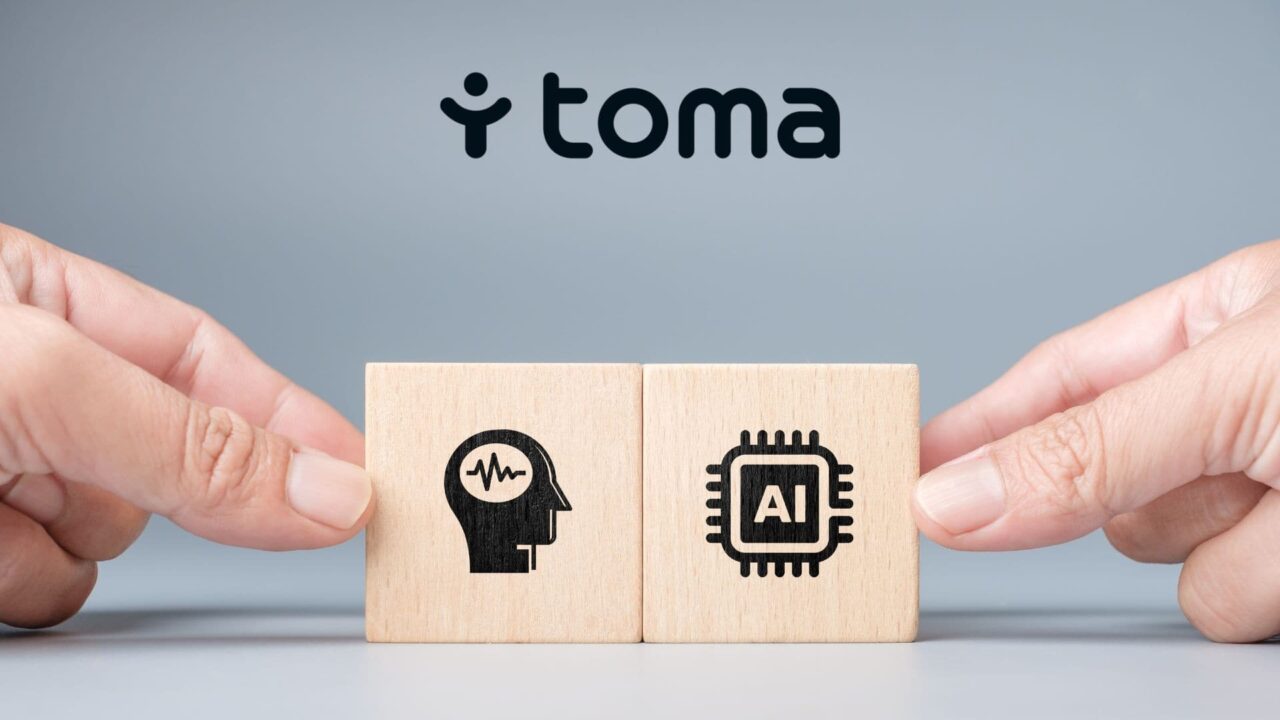
Automotive AI platform Toma has launched Toma IQ for car dealerships, a product designed to train its AI agents on real conversations. It uses reinforcement learning from human feedback to align AI behaviour continuously with store-specific policies. It arrives at a moment when questions about how to keep AI aligned with company standards have moved to the centre of the CX conversation.
Keeping AI on Policy
As businesses face growing pressure to deploy AI in customer-facing roles, the question of how much human oversight to maintain has become central. With 83 per cent of consumers still preferring to speak to a real person when contacting a business, the stakes of a poorly calibrated AI interaction are high. Getting that balance wrong risks both customer dissatisfaction and potential regulatory exposure.
Toma IQ addresses this by embedding a feedback mechanism directly into day-to-day operations. Every call is automatically reviewed, with the system drawing on instances where staff handled situations well to propose updates to how the AI should behave. Each recommendation goes to a manager for sign-off before taking effect.
Unique Training Data
Rather than waiting on updates pushed out by underlying model providers, Toma IQ is trained on what actually happens inside a specific store. The result is an AI that reflects the policies and patterns of that dealership, not an off-the-shelf baseline.
The company argues this matters most in the situations that generic training tends to miss: calls involving loaner vehicle policy, after-hours handoffs, or store-specific workflows that no off-the-shelf dataset would anticipate. When those gaps appear and the AI cannot handle them, the burden falls back on the team, undermining the efficiency case for automation in the first place.
“Visibility and Control”
Monik Pamecha, Co-Founder and CEO of Toma, framed the launch around the need for transparency in AI: “Dealers don’t want an inaccessible and unchangeable black box. It is paramount for any business operator to see what their AI knows, why it is doing what it is doing, and be able to modify their AI. Toma IQ lets dealers manage their AI much like they manage their entire operation – with visibility and control.”
With each approved update, Toma says the AI becomes capable of resolving a broader range of calls without human intervention, cutting the volume of transfers and lifting first-call resolution rates. The company, which launched in 2024 and counts Andreessen Horowitz and Y Combinator among its backers, claims to now be one of the first automotive AI platforms built around dealership-level reinforcement learning rather than static automation.
The Wider Question of AI Oversight
The Toma IQ model reflects a broader shift in how businesses are thinking about AI governance. The question of how to build effective guardrails into AI systems has become a growing preoccupation across the technology sector. Regulators have also made clear that existing consumer protection law applies to AI agents, raising the pressure on businesses to demonstrate that their AI behaves in ways they can account for.
For dealerships, the answer Toma proposes is grounded in existing human expertise. The premise is that the best guide to how an AI should behave already exists in the judgement calls that experienced staff make every day. Surfacing those decisions, codifying them, and putting managers in control of what sticks may help to build a foundation of AI that customers can genuinely trust.