
May 29, 2026
US Bank App AI Assistants Handle Simple Jobs but Leave Customers Stuck on Fraud and Disputes
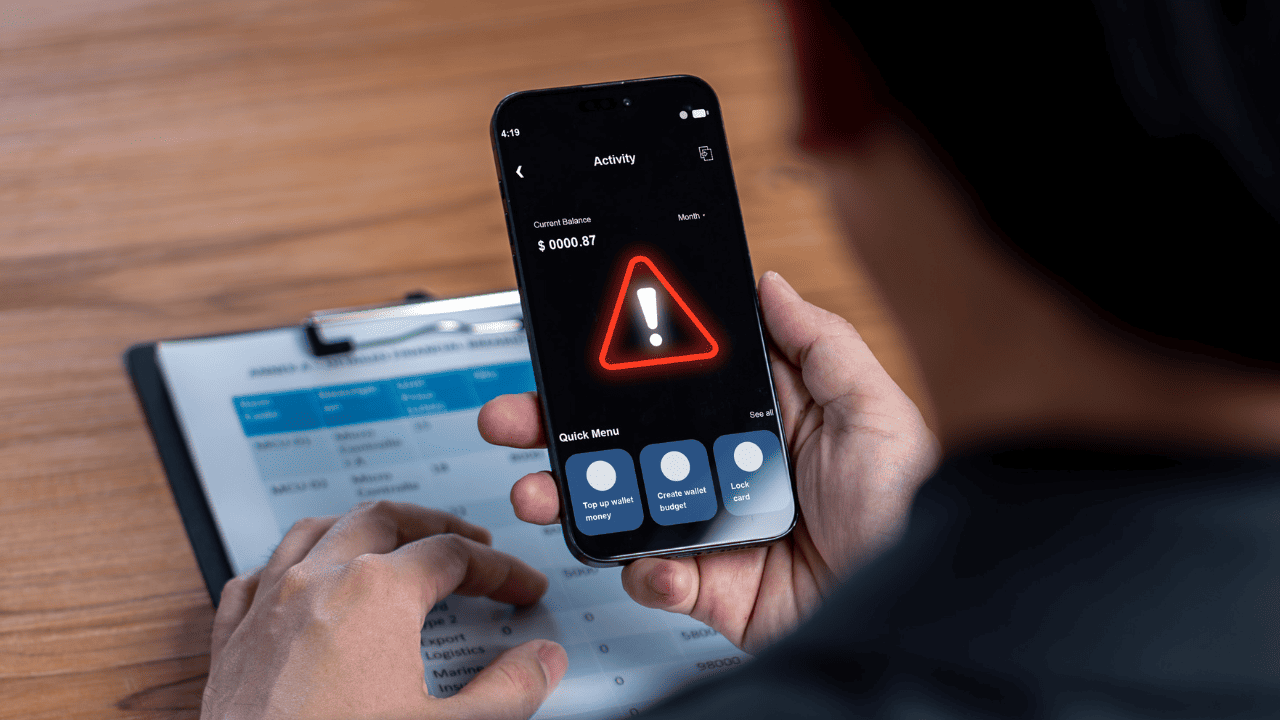
AI virtual assistants inside US bank and credit card apps cope well with routine requests yet fall down the moment customers try to report fraud, dispute a charge or untangle a real problem, according to a set of studies released by JD Power.
The findings draw on four 2026 studies covering banking mobile apps, online banking, credit card mobile apps and online credit card services. Together they track how satisfied US customers feel with the digital tools their providers offer.
The Basics Still Work Well
Overall satisfaction with US national banking mobile apps sits at 723 on a 1,000-point scale, while credit card mobile apps score 713. Most of that strength comes from the everyday experience. Customers rate fast logins, modern design and easy navigation highly, and these fundamentals keep digital banking on solid footing even when the AI tools frustrate them.
Only 28% of national bank and credit card app customers use virtual assistants. The ones who do tend to rate their experience higher. Satisfaction among virtual assistant users reaches 736, which is 18 points above non-users, and it keeps climbing as people come to see the tool as more capable.
When customers turn to an assistant to resolve a problem, challenge a charge or flag fraud, their satisfaction sinks. Limited handover options can leave them circling inside self-service loops with no route to a person, which damages the trust banks work hard to build.
“While AI virtual assistants can streamline simple tasks, they consistently fall short in resolving complex customer service and fraud-related issues,” said Jennifer White, Managing Director of Financial Services Intelligence at JD Power.
She said providers need to design assistants that reliably handle harder service and fraud needs and pass customers to human support without friction. Brands that get this right tend to lean on AI for volume while routing complicated cases to live agents, rather than abandoning people once a query turns thorny.
Younger, Tech-Savvy Customers Lead the way
Virtual assistant users skew younger and lean on their apps more often. Among the 39% who call themselves tech-savvy, half are Gen Z and 36% are Millennials, and both groups use the tools far more than older customers. Affluent customers, by contrast, reach for virtual assistants less often.
“When virtual assistants hit that sweet spot of being both easy to use and comprehensive in terms of overall capability, bank and credit card customers end up having an incredibly positive digital experience,” said Jon Sundberg, director of digital solutions at JD Power. He said few providers manage to deliver ease of use and task breadth at the same time, and called this the next frontier as customers grow comfortable seeking financial information through AI.
US banks already struggle to earn devotion, with loyalty running thin and customers staying put mostly out of inertia. A self-service loop that fails during a fraud scare gives those customers one more reason to look elsewhere. As more banking services rely on AI, providers also have to prepare for the days when those tools stop working as intended, since a stalled assistant during a security emergency carries far higher stakes than a glitch on a balance check.