June 02, 2026
Microsoft’s Internal Survey Data Reveals Deterioration in Manager Support – Just as AI Raises the Stakes
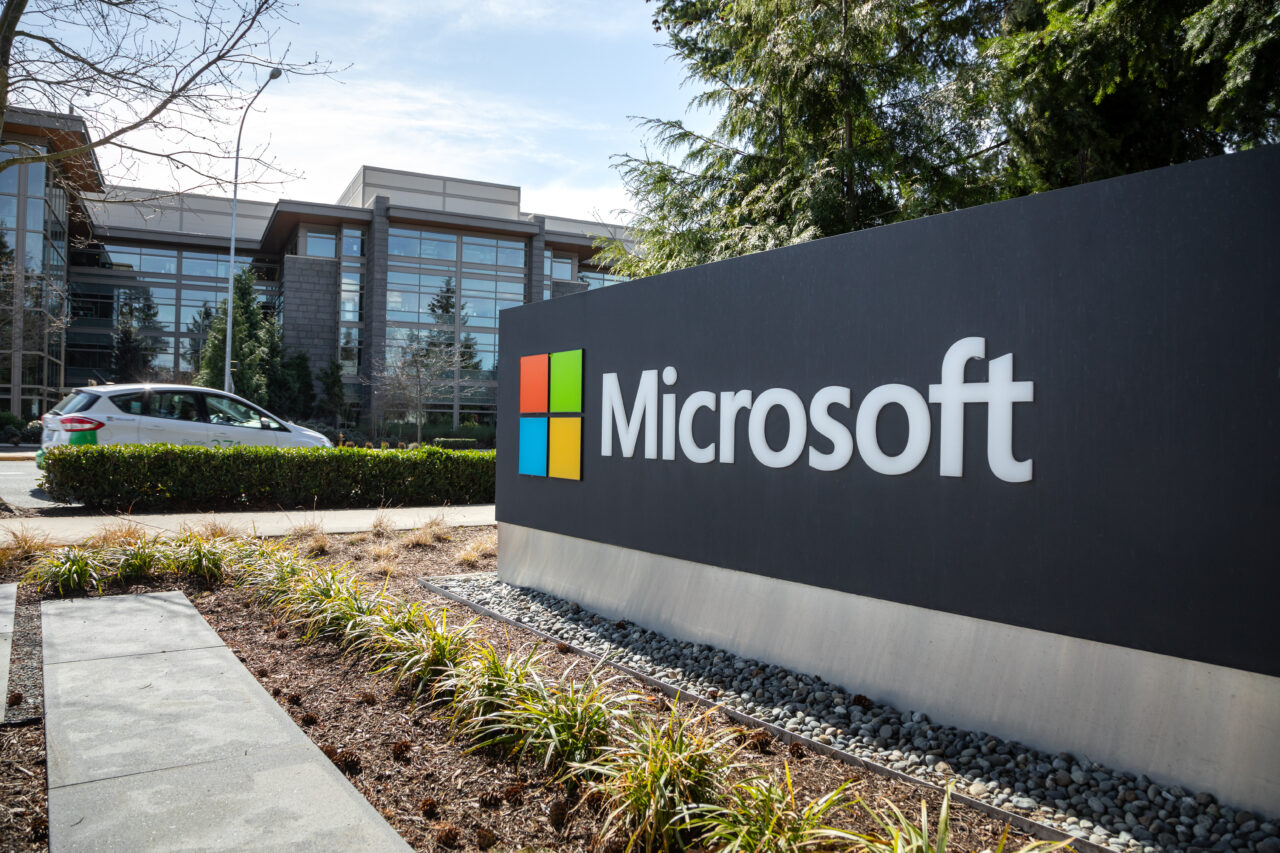
Big shifts are happening within Microsoft – and they are changing how the software giant’s employees feel at work. According to the recent results of Microsoft’s internal survey, obtained by Business Insider, the company’s workforce feels more energised to do meaningful work, but says support from managers has worsened.
The Employee Signals survey, conducted twice yearly, received responses from 71% of staff, capturing almost 265,000 comments. The company’s ‘Thriving’ score, which measures how energised and empowered people feel at work, increased by 3 points to 79. Scores for team inclusion, cultural alignment, and security awareness were also the highest on record for the organisation.
Alongside these positive results, a more concerning finding emerged in a separate annual survey focused on managers and leaders. Coaching through daily challenges decreased by 5 points to 76, providing helpful feedback fell by 4 points to 79, and motivating employees to do their best work dropped by 2 points to 82.
These declines are not a signal of perceived managerial incompetence; the same survey showed confidence in managers held steady at 85% compared with last year. Rather, the data suggests that in employees’ daily experiences at Microsoft, managers are not as helpful as they once were.
Microsoft’s Restructure
This shift in employee sentiment has arrived in a period of significant change for Microsoft – especially at the management and leadership layers.
In April, the company rolled out a voluntary retirement buyout scheme to US employees, with a ‘rule of 70’ formula that effectively targeted long-tenured middle managers.
More recently, CEO Satya Nadella overhauled the company’s senior leadership structure that had been in place for decades. The company “quietly retired what’s known as the SLT,” a person close to the CEO told Business Insider. The new leadership group is much leaner, comprising five people, including Nadella.
Alongside this, a new engineering leadership group of roughly 35 product and engineering leaders has been established, while a Copilot leadership team of three meets with Nadella weekly.
The demands of keeping up with AI innovation are reportedly the catalyst for these significant restructuring moves. “The pace of this platform shift is happening faster than anything we’ve seen,” one person close to the CEO said. “Microsoft can’t afford to be slow.”
Chief People Officer Amy Coleman acknowledged the sentiment directly in her memo: “Many of you shared feelings of uncertainty and pressure as the work evolves. The leadership team and I hear that, and we’re committed to being more transparent, communicating more frequently, and giving context wherever we can.”
Managers Are the Key to AI Adoption
In this period of AI-fuelled rapid change, Microsoft’s internal data shows manager support declining. But this is precisely the thing its external research identifies as the critical enabler of workforce AI adoption.
The company’s 2026 Work Trend Index, which surveyed 20,000 AI-using knowledge workers across 10 markets, found that when managers actively model AI use — not just encourage it — employees report a 17-point lift in perceived AI value.
Among employees who use AI in advanced ways, the survey found their managers to be significantly more likely to create space for experimentation, encourage more ambitious work redesign and reward reinvention.
Manager behaviour is the primary lever for AI transformation, the data reveals. Whether it’s a lever that can be realistically pulled, however, seems unlikely for many organisations.
Managers Are Overstretched – and Employees Are Paying the Price
Gallup reports manager engagement is falling. And this is happening in a climate where organisations are stripping away managerial layers and leaving those who remain responsible for larger teams. Already overstretched managers are expected to take on even more responsibility. And – As the Microsoft data shows – employees are experiencing first-hand the deterioration of support and development from where they expect it most.
Leadership transformation consultant, Deborah Hartung, highlights the pressure managers face today: “We’ve turned managers into organisational shock absorbers. Every new priority, every restructuring, every culture initiative and every AI rollout lands on their desks first. Then we wonder why coaching, feedback and team support start to suffer.”
Hartung notes that capacity shouldn’t be viewed as a “character flaw” and that the manager’s set of responsibilities have become “unsustainably wide.”
“Until organisations redesign how leadership work gets done, we’ll keep mistaking systemic overload for individual leadership failure,” she adds.
The Contradiction at the Heart of AI Transformation
The Microsoft data presents a timely warning. Stripping out management layers while simultaneously demanding that managers drive AI adoption is a contradiction.
Until organisations resolve it, the gap between AI ambition and AI reality is likely to widen. And, along the way, employees will feel bereft of support.