January 16, 2026
Why AI Productivity Gains Aren’t Turning Into Better Work
Thanks to AI, many employees finish tasks faster, draft content more quickly, and get answers in seconds instead of minutes. Yet new research from Workday suggests that this speed is not leading to better work in most organisations. Instead, much of the time, AI saves is being lost elsewhere.
Workday’s global study, Beyond Productivity: Measuring the Real Value of AI, shows that 85% of employees save between one and seven hours a week by using AI tools. On the surface, that sounds like progress, however, almost 40% of that time goes straight back into fixing problems. Employees spend hours correcting errors, rewriting unclear content, and checking AI outputs before they can be used. Only 14% say AI consistently helps them deliver better results.
New Technology, Old Strategy
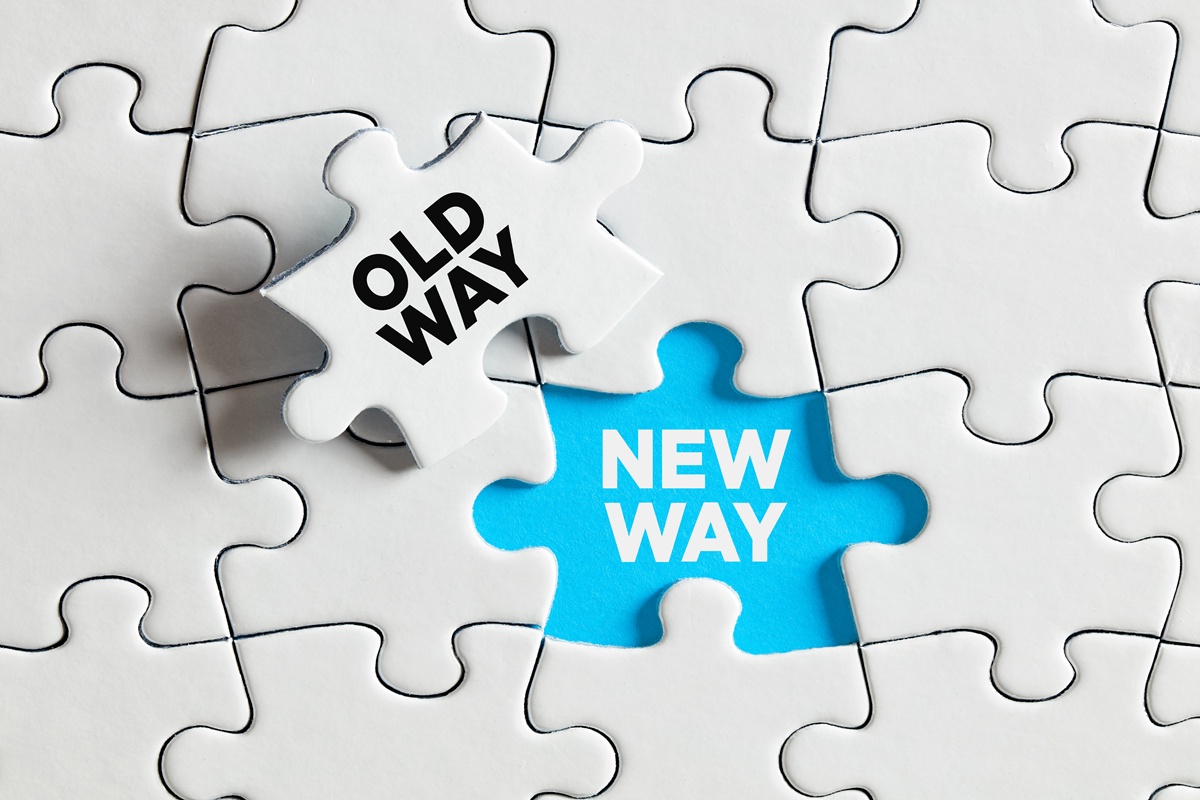
What’s happening is less about the technology and more about how work is set up. AI increases speed, but jobs, workflows, and expectations have barely changed. Employees are still working in roles designed long before AI became part of daily work. As a result, faster work gets pushed through old processes, and someone still has to slow things down at the end to make sure it’s right.
That “someone” is usually the people using AI the most. Employees who rely on AI every day tend to be optimistic about its potential, but they also feel the strain most clearly. More than 90% believe it will help them succeed at work. At the same time, they carry extra responsibility. Around 70% say they review AI-generated work as carefully as human work, sometimes more so. AI may speed things up, but it does not remove accountability.
Younger employees are carrying much of this load. Workers aged 25 to 34 make up almost half of those dealing with the highest levels of AI-related rework. They are expected to be fast and fluent with new tools, yet they often spend significant time checking outputs and fixing issues without clear standards or support.
Training Comes Last
While leaders say AI skills matter, many employees never receive guidance on how AI should be used in their role. Instead, they learn by fixing mistakes, often under pressure to move faster.
Without training to standardise how work is done, roles never get redesigned, and most organisations add AI on top of existing jobs. Speed increases, but expectations do not change, leaving employees to absorb the extra complexity.
What companies do with the time AI saves turns out to be just as important as the technology itself. In many organisations, those gains are absorbed elsewhere, either reinvested in more tools or used to push through higher workloads. Little of that time is set aside for learning, reflection, or improving how work is done.
Employees who report positive outcomes from AI are far more likely to use saved time for deeper analysis, better decisions, and more considered work. In most cases, they have also received training that helps them understand when to rely on AI and when to step in with human judgment.