December 05, 2025
Hospitality Growing AI Super Powers in 2026 for Better Customer Experiences
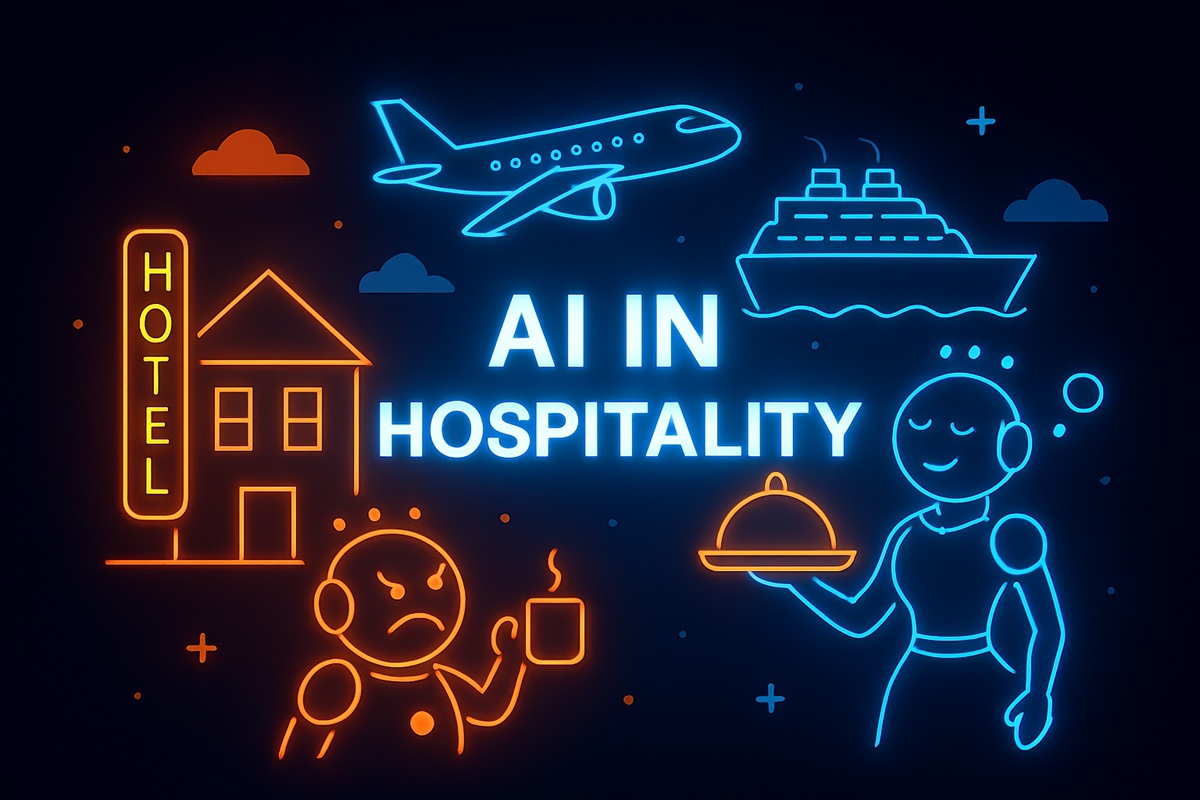
We’ve already taken a look at how AI will shape up many markets in 2026, with insights from around the business world. In the hospitality sector, the barrage of insights and pace of change merits its own article, with revolution rather than evolution leading the charge.
Robots Taking Charge in Hospitality
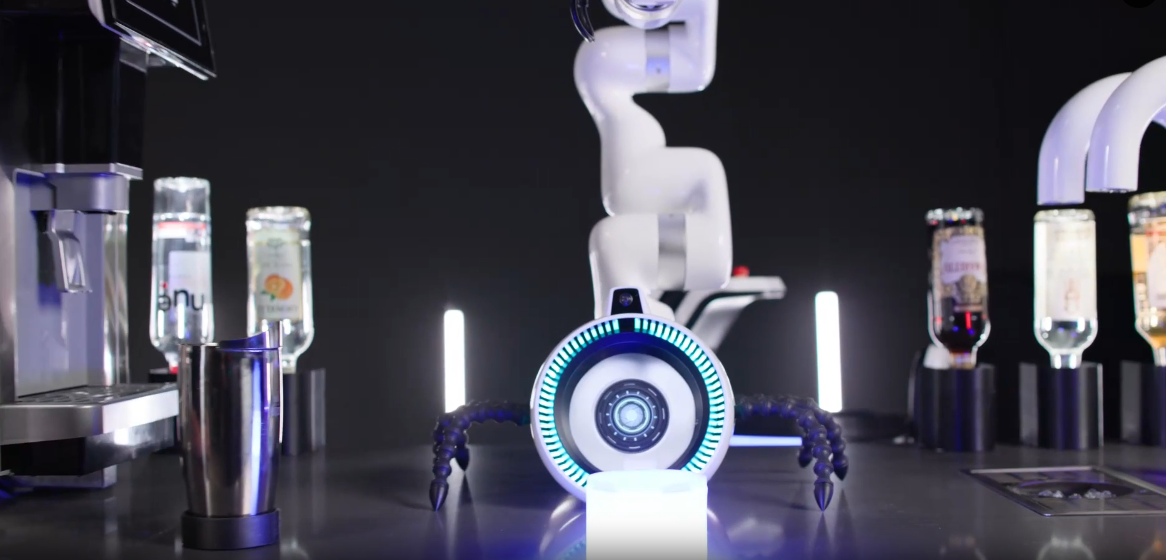
An early look at AI in physical action will come at CES 2026 in Las Vegas where the latest editions of AI-infused robot chef, barista and bartender models will be a highlight, serving guests without a pause.
Moving into the kitchen, rapid adoption of sushi-preparation and -making robots in response to a lack of trained chefs, and US-and-beyond visa restrictions, show how much even traditional roles can be replaced or supported by bots.
And at airports, robots will soon follow mobility-limited passengers around with their luggage, with similar models in hospitals and museums improving access.
In short, robots of all shapes and sizes continue to enter the market, with dramatic growth in their AI powers to deliver an accurate and engaging experience.
AI Empowers Hospitality Workers
Looking deeper into the hospitality business, EHL Insights’ Hospitality Outlook Report 2026 focuses on where AI fits into a very human experience, with “AI agents empowering people and personalizing experiences”
- From predictive analytics to dynamic pricing, AI tools can streamline operations, reduce workload, and elevate guest experiences. The next evolution are AI agents that unlike traditional chatbots, are autonomous systems that act and adapt in real time.
- They can handle tasks from guest room allocation to predictive maintenance and housekeeping optimization, saving hours of manual work while improving accuracy and personalization.
- Used wisely, AI can automate repetitive tasks, improve scheduling, and support decision-making, freeing staff to focus on the creative and social dimensions that define true hospitality.
According to EHL Professor Ian Millar: “AI should complement human skills, not replace them. It can increase efficiency, but without reliable integration, training, and a people-first approach, its purpose remains limited.”
The Use of Tech and AI in Hotels
A State of Hotel Guest Technology Report for 2025 recently surveyed 400 hotel guests, revealed several pragmatic areas where AI can boost the experience for 2026 and beyond, including:
- 70% of guests find chatbots helpful for simple inquiries but prefer human interaction for more complex requests.
- The #1 reason guests prefer a chatbot at a hotel is when asking for the Wi-Fi password, followed by #2 scheduling wake-up calls and #3 checking hotel facility operating hours.
- 58% of guests feel that AI improves their hotel booking and stay experiences.
- 65% of travellers want the tech in their hotel to be more advanced than the tech in their homes.
Deeper business-focused insights include, the strong difference between large hotel chains and the technology’s use in independents. Smaller hotels can use AI to free up staff for the personal touch, while larger chains will use it to centralise all operations, delivering efficiencies and driving guest engagement through apps and in-room bot services.
“The integration of AI in recruiting, labour, and human resources in the hotel industry will bring more efficiency and effectiveness, providing better service to guests while also supporting and developing employees.” 2026 will see greater use of on-device AI to personalise experiences further and customers will expect AIs to get smarter year-on-year, not a never-used-again function.
Hospitality AI Supports Small Biz and Individuals
Many headlines around AI and hospitality are focused on big budget products and large-scale technology. However, for millions of smaller hospitality companies, AI is accessible and easy to deploy.
One example comes from Detroit where a Chicken Shack Depot chain adopted SoundHound’s AI to automate the telephone ordering system. 2026 will see more hospitality leaders ask how they can benefit from AI, and CTOs/CXOs will need to deliver rapid answers.
Why pluck the Motor City out of thin air? Because they just put up a statue to Robocop, the first AI robot police officer who set fictional standards for excellence in customer service.
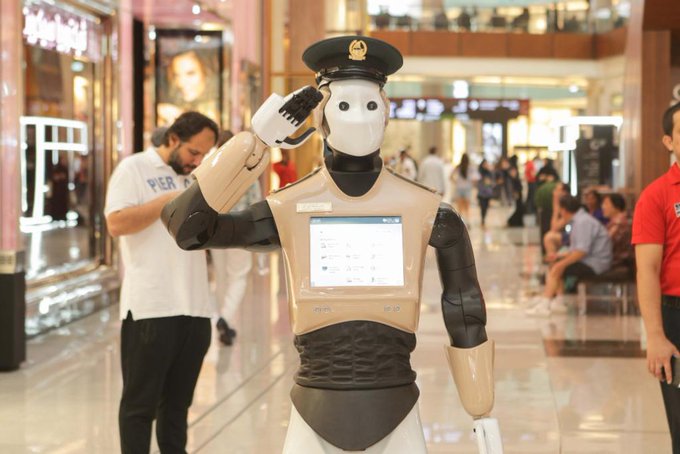
His legacy has shifted has to Dubai where AI-powered robot officers help tourists with multilingual information, directions, and emergency calls.
Automated police stations also let people talk via video to actual officers 24/7. From multilingual chatbots at Singapore Airport to the
Many tourist destinations are making major leaps in AI adoption, but are consumers already ahead of that game? A Publicis Sapient report on “2026: The Attention Wars Are Coming for Travel and Hospitality” asks…
Who Controls Travel in 2026?
it gets right down to the shake up going on with travel. “Travel distribution has always felt like an exclusive party. Hotels, airlines and online travel agencies (OTAs) took turns playing host, deciding who got past the velvet rope of inventory and loyalty programs.”
“But 2026 is shaping up differently. The velvet rope is fraying, new rooms are being added to the club and uninvited guests, armed with new technologies and cultural clout, are already inside.”
It looks at how agentic commerce will change that narrative as people create their own itineraries, travel plans and a rising tide of influencers will see people book there and then, rather than wade through the brochures of old.
There’s Always Room for the Physical Touch
We end in Alaska, whose airline has just bagged landing slots at London Heathrow as part of its expansion, due to land in May 2026. As a very-well rated US flyer, it delivers a great, modern and digital customer experience, with AI search that focuses on dream destinations, not just a flight number.
But its latest initiative (for subsidiary Hawaiian flights for now) is a set of collectible shiny cards, given out to passengers with the pilot’s signature, with digital cards for the Alaskan fleet, accessible through NFC as passengers board the aircraft.
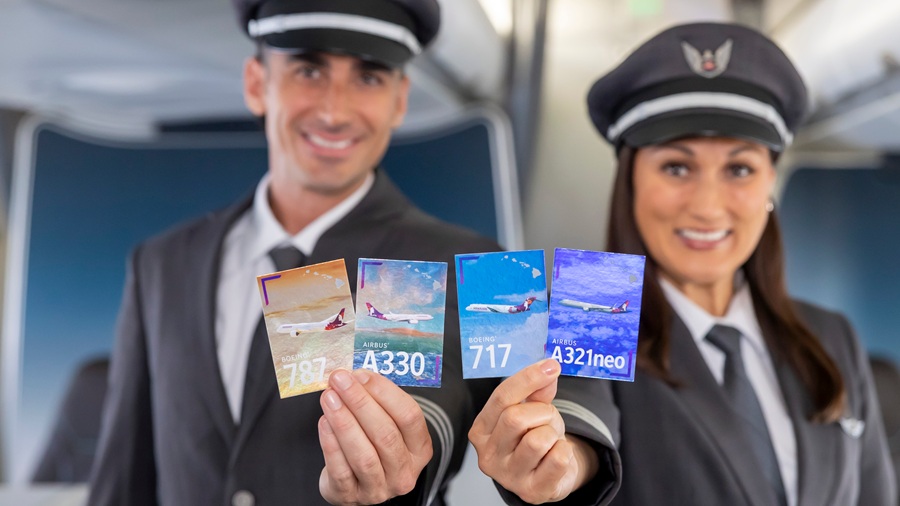
Both approaches show a great way to make trips memorable, educational, and a little different to the usual merchandise fodder. Let us know of other great examples of AI or physical CX across hospitality in 2026 and we’ll endeavour to add to the story of AI, hospitality and the people who deliver.