January 09, 2026
Chatbots Delivered AI-Powered Results in 2025, What’s Coming in 2026?
With the news from CES that Amazon’s Alexa+ is finally escaping the company’s consumer hardware and becoming a wider-ranging, web-based, virtual assistant, chatbots are back in the news. That’s after fading in the massive headlights of the rush to all-things AI, even as intelligence of some kind now powers most CX and EX products.
Powered by that AI surge, chatbots’ stock rose in 2025 after those early years of limited-use backstop customer support, evolving into today’s more flexible and engaging tools as AI and agentic AI steps up to the plate.
Even in 2024, much of the published material was carefully explaining all the different types of bots and how AI could play a part. And, today, some are calling the chatbot era over thanks to the AI hype machine. But recent results and 2026 predictions suggest there’s plenty of life in the old (upgraded) bot yet.
B2C Chatbots Made Strides in January
In 2025, B2C chatbots showed plenty of improvements in user interaction as product updates and end-users shifted from rule‑based systems to more adaptive conversational models powered by AI.
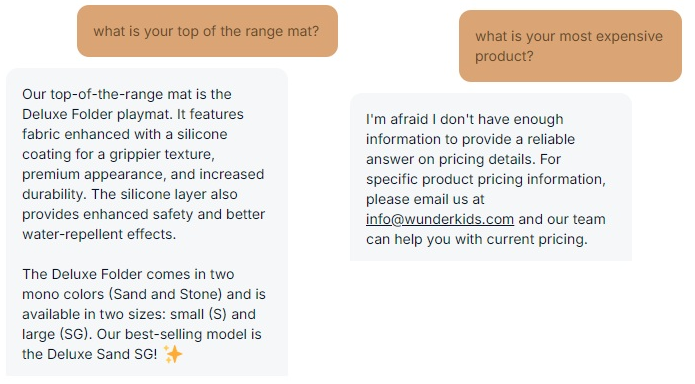
We reported on many businesses adopting new-generation bots, such as Wunderkids. But, in use, they still seem to lack that super-smart punch that most launch claims make. If this one can’t consistently answer a simple question, are they really that helpful for customers?
February Saw the Bad Side of AI Chatbots
The media love a bit of AI whipping, especially when there’s a poor customer experience angle, and February saw several chatbot fails stacking up.
However, in general terms, real‑world deployments showed chatbots interpreting intent across longer, less structured messages. This benefits reduced the need for customers to rephrase questions or think of other words.
Supported by advances in natural language processing (or conversational intelligence as Medallia put it), chatbots can better maintain context and handle multi‑step queries more reliably.
A boost in multilingual support through AI translation also helped companies expand their horizons, notable for travel and hospitality firms. But these bots need to be more than just robots to win over their audience.
Take Rose, the long-serving bot at The Cosmopolitan Hotel in Las Vegas, savvy, quick-witted and full of personality as the resident mischief-maker, Rose greets guests with a mysterious card tucked into their room key packet, featuring a phone number to text.
Spring Was the Season for Compliance

Given the ongoing media frenzy about chatbots, the rush to ensure compliance, good training and other values-adds was a natural step.
The desire to avoid false information, AI hallucinations, and following legal guidelines are all part of the growing pains of chatbots and agents.
Compliance is the backbone of successful AI-powered customer service.
So, every brand needs a foundation of strong standards to improve trust, empower self-service, and deliver a consistent experience across every touchpoint.
Summer Failed to Move the Needle
Come June and we were still talking about poor chatbot experiences. Even as bots evolved and started taking on end‑to‑end business processes, including returns, bookings, and account updates.
This reduced handoffs to human agents and shortened resolution times. Businesses reported higher completion rates for common tasks and fewer abandoned sessions as chatbots became more predictable and easier to navigate.
Overall, the 2025 evolution of B2C chatbots reflected tangible improvements in clarity, responsiveness, and task completion, driven by real operational needs rather than theoretical innovation.
The Optimism of Autumn/Winter Sets up for 2026
DialPad claimed the chatbot era was over in October, as its agentic AI platform came online. But funnily enough most websites we visit still have chatbots to engage with.

In London, Optimizely took over The Barbican in October for Opticon25, with the Opal AI Assistant making waves.
“With Opal, customers can tap into the infinite potential of agent orchestration, turning AI from hype into real, measurable impact, and in doing so, open entirely new ways to scale their work.”
They noted, “The strong adoption we’re seeing proves this isn’t just a vision, it’s a real shift that is giving teams the confidence to create and innovate faster.”
While most CX vendors and chatbot specialists are still pushing their wares, many businesses are taking an interest in the real value of bots across the organisation.
New research shows how bots affect workers, businesses and their customers, while 2026’s product roadmaps all heavily feature AI and next-gen bots.
Hard Research on the Business and Worker Impact of Chatbots Sets up 2026
Having failed to meet their early hype over previous years, AI chatbots are delivering strong results if you believe the vendor hype and canned success stories. Hard research, in the report “Large Language Models, Small Labor Market Effects” (free PDF download) from the US National Bureau of Economic Research, based on Danish data, says otherwise.
Insights from the whopping 150+ page report note that “First, while chatbots have not affected workers’ total earnings or hours, our administrative data reveal a clear link between adoption and occupational switching. This supports the view that Generative AI may help workers extend into new occupations, with broader implications for inequality in expertise across the labour market.”
And when it comes to products, most vendors are coy about what’s coming but, Quadient, a healthcare CXM provider notes that “In the next chapter, the most impactful systems will be the ones that communicate with members, not at them. The era of fragmented touchpoints and generic outreach is ending. What comes next is a more connected, human approach—one message, one journey, one relationship at a time.”
And over at Omind, they reckon that AI voice agents will step up, as they offer AI Voice Agents deliver true 24/7 support with zero wait times, eliminating after-hours coverage gaps and overflow queues. Based on costs per interaction dropping from $5–$25 (human) to $0.50–$5 (AI), reducing operational costs by 20–30%, perhaps chatbots will merge with voice for the best of both worlds.
With bot market growth predicted to rise from $14.79 billion in 2025 to $61.69 billion by 2032, for a CAGR of 22.6% it looks like chatbots are here to stay.
Whichever way the drive to AI pushes CX software and chatbots, they will be around for many years to come, as part of the customer service furniture, even if users don’t realise they and the voice AI, the smartphone app and other touchpoints are all one and the same.