January 29, 2026
Can AI Be Trusted to Finish the Job? Microsoft Thinks So
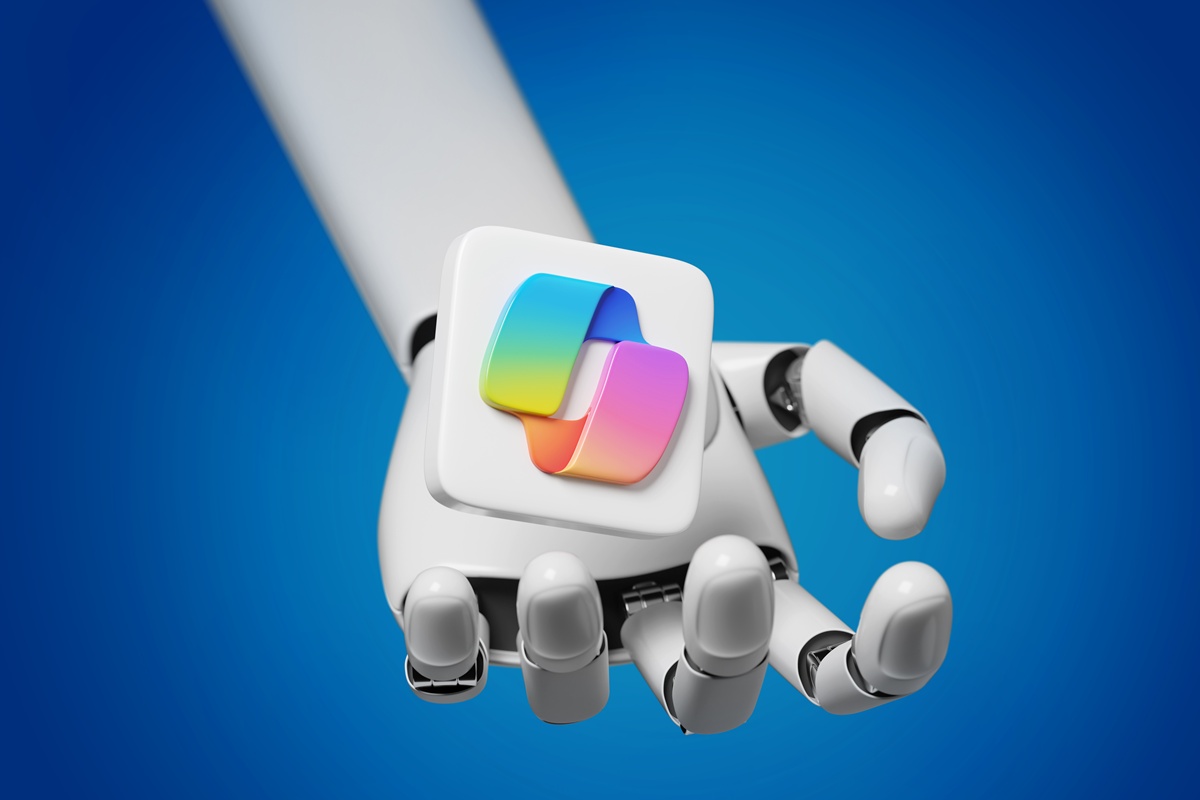
In its latest earnings call, Microsoft spelt out how it thinks customer experience will change in the age of AI, and it has little to do with better chatbots.
Speaking to investors, CEO Satya Nadella said a change is already underway inside Microsoft’s products, highlighting that AI will stop talking and start acting. The company is building what it calls an “agentic” layer across Microsoft 365, Dynamics, security, and Azure, designed to let AI complete real tasks inside real systems, under real rules.
Microsoft Cloud revenue surpassed $50 billion for the first time during the quarter, growing 26% year over year, reflecting accelerating demand across AI-driven services.
Intent-Driven AI Experiences
Over the past decade, organisations invested heavily in digital channels and self-service to enable customers to get faster access to information, but not necessarily faster outcomes. In doing so, tickets still bounced while context got lost, causing customers to repeat themselves. According to Nadella, “AI experiences are intent-driven and are beginning to work at the task scope. We are entering an age of macro delegation and micro steering across domains.”
This is why Microsoft is framing “agents” as the new application layer to take an intent, like refunding an order, resolving issues, or updating accounts, and carry it through multiple systems with minimal human intervention.
That shift is already showing up in adoption, with the company reporting 15 million paid Microsoft 365 Copilot seats during the quarter, and seat additions up more than 160% year over year.
The ambition runs into a familiar reality in customer experience: journeys fall apart when systems cannot share information, and AI agents run into the same problem when they are expected to complete work without being able to operate inside the systems where that work actually happens.
Microsoft linked its AI strategy to what it calls “context engineering,” with Nadella saying agents must be grounded in enterprise data while respecting permissions. The company is signalling that progress in AI-driven customer experience depends less on smarter models and more on whether systems allow AI to act.
Governance Before Scale
On the call, Nadella also discussed extending governance, identity, and security to agents, and the company pointed to oversight at scale by disclosing that 24 billion Copilot interactions were audited by Purview, Microsoft’s data governance, compliance, and risk management platform, this quarter, up 9x year over year. In other words, Microsoft is pitching AI that can act but only if it can be monitored, restricted, and traced.
In the same discussion of “high-value agentic experiences,” Nadella cited examples across Dynamics 365, security, and healthcare. He said customers are using Dynamics agents to turn customer conversation data into knowledge articles and to automate sales qualification, and noted Dragon Copilot documented 21 million patient encounters in the quarter, up 3x year over year. Nadella added:
“A great example of this is how Weesa is turning customer conversations data into knowledge articles with our knowledge management agent in Dynamics, and how Sandrik is using our sales qualification agent to automate lead qualification across tens of thousands of potential customers.”
During the Q&A, Microsoft’s CFO Amy Hood addressed the operational realities behind Microsoft’s AI rollout, noting that demand continues to exceed supply and compute capacity is prioritised for Copilot, R&D, and then Azure. This helps explain why AI performance and reliability can vary across deployments, even when the tools look similar on paper.