March 10, 2026
Copilot Cowork Delivers Anthropic Technology in Microsoft Clothing
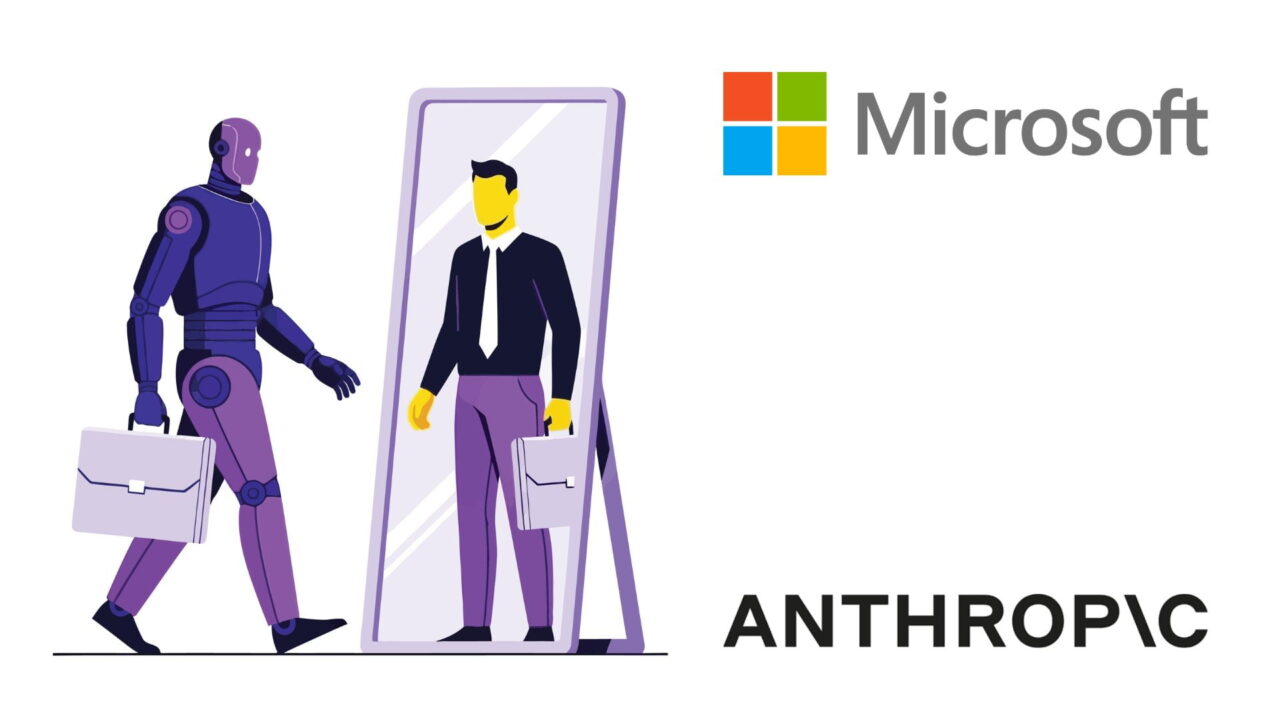
Most people have used an AI assistant to draft a message or find a document. But according to Microsoft, that kind of help is just the beginning. The company has launched Copilot Cowork, a tool designed to go beyond answering questions and start completing work on your behalf. Built on Anthropic’s technology and closely aligning with its ‘Claude Cowork’ branding, Microsoft may well be attempting to turn a commercial threat into a partner success story.
What is Copilot Cowork?
Writing on the Microsoft 365 blog, the company describes Copilot Cowork as essentially turning “intent into real actions” across Microsoft 365. Over the past year, the tech giant says it has been pushing Copilot towards taking action i.e. completing tasks, running workflows, and doing work in the background while you focus on other things. This was reaffirmed in the company’s latest earnings call by CEO Satya Nadella.
The way Cowork operates is relatively simple in practice. You describe what you want done, and the tool builds a plan. That plan runs in the background, checking in at key points so you can approve changes, ask for adjustments, or pause things entirely. Microsoft says Cowork can connect with Outlook, Teams, Excel, and the rest of Microsoft 365 to act with an understanding of your working context, rather than starting from scratch.
How Copilot Cowork Could Change your Workday
Microsoft outlines four main use cases in its announcement. The first is calendar management. Cowork can review your schedule, flag low-value meetings, and propose changes. Once you approve, it can accept, decline, or reschedule meetings and add focus time to your week.
The second is meeting preparation. Rather than spending an afternoon pulling together a briefing, Cowork can gather relevant emails and files, schedule prep time, and produce a briefing document, supporting analysis, and a client-ready presentation.
Third is company research. Cowork can gather earnings reports, analyst commentary, and news, then organise findings with citations into a research memo and an Excel workbook.
The fourth scenario covers product launches, where Cowork can build competitive comparisons, draft value proposition documents, and generate a pitch deck, helping teams move quickly from idea to coordinated action.
Last month, Microsoft also released an update to Copilot for Microsoft 365 to improve employee experiences, including adoption tracking, admin controls, and productivity.
Will Competition Become Support?
Microsoft’s decision to launch Cowork may be about more than productivity features. Several news outlets are already joining the dots to suggest that this move to integrate Anthropic’s technology is simultaneously an attempt to rewrite a narrative that has caused investors to panic.
In January, Anthropic released Claude Cowork, a business tool for non-technical workers that can read, manipulate, and analyse files on a user’s computer. That launch contributed to a near $1 trillion selloff in software stocks, Reuter reported, as investors worried that AI tools like Claude could end up replacing traditional enterprise software-as-a-service companies. Meanwhile, the S&P’s largest software company Microsoft, shed roughly $400 billion of market capitalisation in a single day.
Microsoft’s response has been to license Anthropic’s technology, build its own version under the same name, and sell it as a Copilot feature. The company confirmed in its blog post that it worked closely with Anthropic to integrate the technology behind Claude Cowork. This is not the first sign of a strategic partnership between the two companies, however. Last November, Anthropic received a $15 billion investment from Microsoft and Nvidia, as Microsoft appears to be lessening its dependence on OpenAI, which has also been in a heated rivalry with Anthropic.
The Significance for Employees and Investors
For workers, Copilot Cowork represents a potentially transformative shift in how AI fits into the working day. Rather than a tool you consult, it becomes one that runs alongside you, handling the coordination work and saving time and effort that could be used elsewhere.
What is less clear is whether this helps to resolve investor concerns about its ability to compete against other AI companies. Paying to license a competitor’s product is obviously not the ideal solution, yet it may turn out that picking its battles was a wise move to reduce the overall impact of an otherwise major technological and financial blow.