June 05, 2026
Zendesk Puts AI-Powered IT and CX Support Inside Microsoft 365
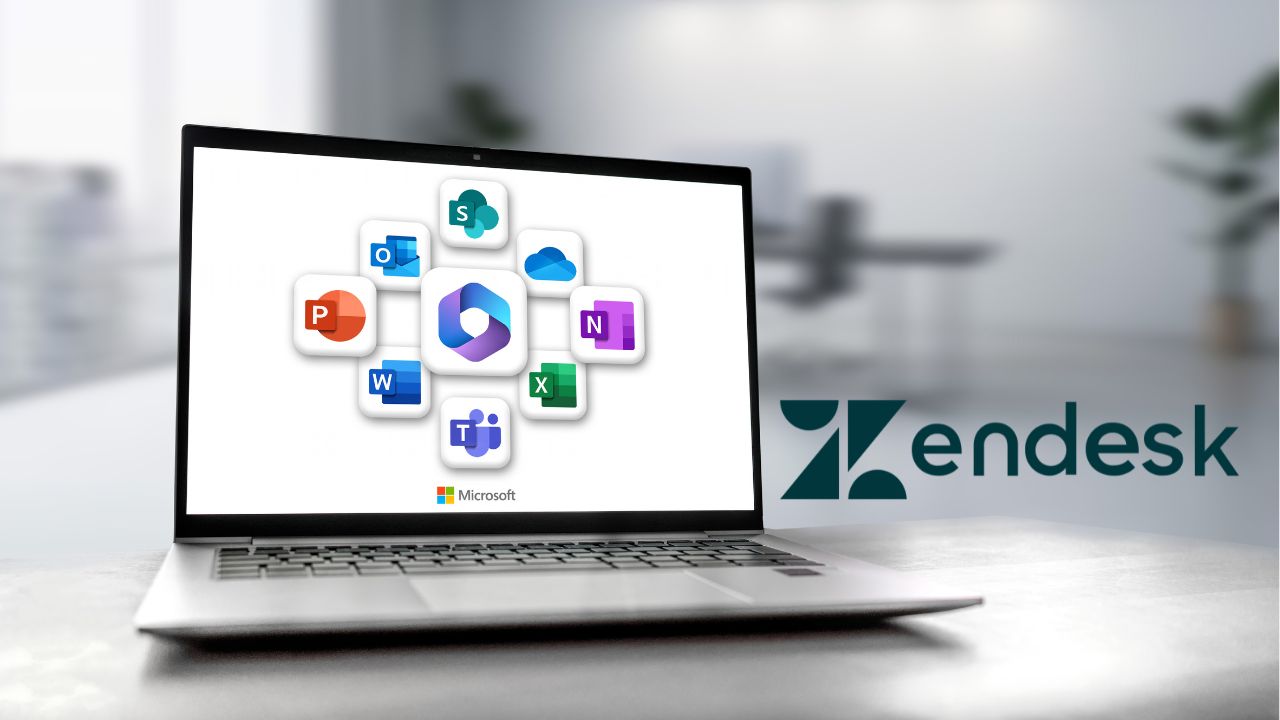
Zendesk has launched the Zendesk Support Assistant for Microsoft 365. Built on Microsoft Agent 365, it brings ticket resolution, issue escalation, and support workflow management directly into Teams, Outlook, Word, and the rest of the Microsoft 365 suite without requiring workers to leave those applications to get help.
The integration is aimed at IT and internal service teams. In practice, it means a staff member can raise a support request, track its progress, and receive a resolution entirely within the tools they already have open. The Zendesk Support Assistant handles routing and triage in the background.
Vishnu Parimi, VP of Product for Employee Service at Zendesk, set out the thinking plainly:
“Most service tools ask employees to adapt to change how they work. We built this integration on the opposite premise: when service teams are already under pressure to do more with less, technology should meet employees where they are, not add to the burden.”
Zendesk has released a raft of AI assistants recently. At its annual Relate conference last month, the business replaced its deflection-focused bot model with one tailored around specialised AI agents fundamentally accountable for outcomes.
The solution runs within Microsoft’s security and compliance infrastructure. This gives organisations a single control plane for AI agents, knowledge access, and communications. It is available now on AppSource.
Why The Zendesk IT Assistant Matters
The IT service market has a well-documented adoption problem. Internal portals routinely get bypassed, and tickets often go unraised. Support requests can end up in personal inboxes or chat threads, where they are harder to track, slower to resolve, and invisible to service managers trying to understand demand.
Embedding service tooling inside Microsoft 365 is a reasonable response to that pattern. With over 400 million paid Microsoft 365 seats worldwide, the platform is where most enterprise workers spend their working day. An integration that removes the step-change between “where I work” and “where I ask for help” addresses the friction at source rather than trying to retrain behaviour through communications campaigns.
Parimi added:
“By integrating with Agent 365, Zendesk delivers support inside the channels that employees interact with daily, with the added security and oversight organisations need to confidently govern AI agents across Microsoft 365.”
The governance angle deserves particular attention. The integration inherits Microsoft’s existing compliance posture, which reduces the procurement and security overhead typically associated with adding a third-party AI layer. That will not answer every due diligence question, such as data residency and audit trails, while escalation handling remains a legitimate area of scrutiny. However, it narrows the gap considerably.
What It Means for Service Teams, Workers and Agents in Microsoft 365 Systems
For IT service teams and the CX agents they support, the day-to-day benefit is fairly concrete. AI-powered triage and routing should reduce the manual effort required to manage high-volume, lower-complexity requests. This is the kind that dominates most internal queues. Teams under headcount pressure or managing distributed workforces across time zones stand to benefit most.
For workers and agents, the experience should feel less effortful. A new starter dealing with access issues on day one, or a remote worker chasing an equipment query, can do so within Teams rather than hunting for the right portal. The bar for raising a ticket drops, which tends to mean more requests get logged formally. This is a net positive for service visibility and resolution tracking.