May 28, 2026
How Should Organisations Protect Employee Experience During AI Adoption? Five EX Leaders Have Their Say

AI adoption is accelerating. But are organisations moving fast enough on the human side of the equation? At Engage Employee Summit 2026, we put this question to a group of practitioners and experts: how should organisations protect employee experience as AI becomes embedded in the way we work? Their answers ranged from a call to embrace it wholeheartedly to a reminder that speed without intention carries its own risks.
Be Intentional – or Risk Losing the Human Entirely

Greg Stortz, Director of Engagement, Interact
“Be intentional about it. There’s a version of AI adoption that just happens to people. Tools change, outputs appear, and suddenly employees are questioning everything – did my manager actually write this? Does anyone actually know who I am? It’s never been more important to make sure the human is visible in every single thing we send.”
“The organisations getting this right are communicating the why before the what. They’re helping people see what it means for their work specifically. And protecting people’s voice and judgment matters too – AI that flattens everything into the same tone and output isn’t improving employee experience, it’s quietly degrading it.
“The risk isn’t that AI moves too fast. It’s that we use it to do things faster instead of using it to do things we never could before – like truly considering every single person in your organisation.”
Involve, Don’t Just Protect

Nick Lynn, Managing Director, WTW
“Organisations need to manage that tension – continuing to invest in people’s skills for the future, while also finding new and better ways of doing things. ‘Protect’ might be the wrong word; ‘involve’ might be better. The best organisations are bringing people to the front line to think about how things can be done differently – both for the organisation and for their own experience.”
AI Must Inform, Not Decide

Nick Court, Founder and CEO, People Experience Hub
“What we have to lean into is AI augmenting human work – sitting alongside people, but never making human decisions. A machine cannot make decisions that a human will make based on all of the rich context in front of them: the emotions of the individual, and what they bring to it.”
“AI will always be working from day-to-day context. So it must only inform a decision – and managers must be enabled, educated, and capable to work alongside it.”
Make Every Employee Feel Future-Ready
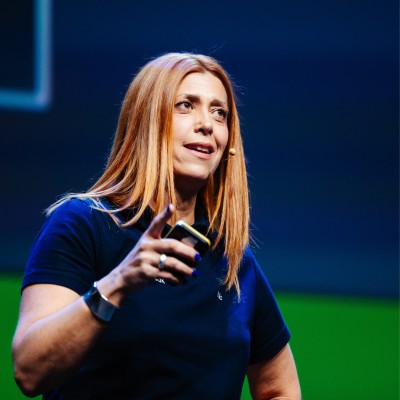
Nicola Marshall, People Director, Welcome Break
“Our priority isn’t just adopting AI – it’s making sure every team member understands it, feels confident using it, and sees how it improves their work, not replaces their value.”
“To deliver on that, Welcome Break has built a formal AI framework – one that commits to transparency about AI use, involves employees in how roles evolve, and shifts the narrative towards better work rather than replacement. If our team feels informed, involved, and capable, AI becomes an enabler of experience – not a threat to it.”
Embrace It – Then Train for It

Jaime Valle, Customer Experience Consultant, Teresa Monroe
“The one urgent thing organisations need to do about AI is embrace it. It’s not about replacing staff; it’s about training people to use it so they can work more productively, effectively, and precisely. Employees are no longer expected to complete every task alone. They are responsible for managing, training, and guiding a team of digital robots – little minions behind a chat – to produce an even better final output.”
“Organisations that fail to keep up are going to pay the price. Customers and employees alike expect companies to provide the best possible service, tools, outcomes, and technology. Are we all doing so?”