January 06, 2026
Consumer Electronics Show Highlights New AI-Powered Gadgets, Complicating Future CX Interactions
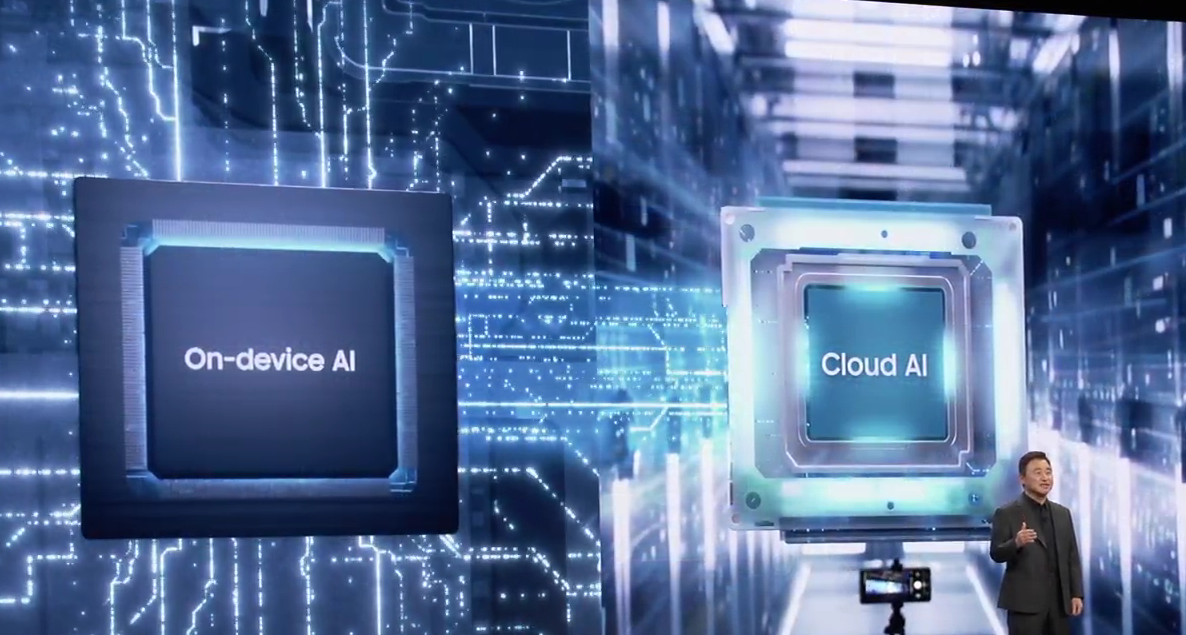
All eyes are on Las Vegas this week as the next-generations of consumer goods, from cars to refrigerators, smartphones to TVs and other gadgets all adopt AI to change how consumers perceive technology, interact with it, and how that changes the customer experience service landscape.
Consider the many new AI glasses, aka spatial computing on show at CES, with voice-only controls, they will shift the support function back to live voice as the primary form of communication. How does a business respond to “I’m having trouble with my smart glasses in a foreign city (or working on a mini reactor), help me now!”?
In areas like kitchen appliance technology through shopping list builders or recipe suggestions, they introduce AI to people who have minimal exposure or awareness of it.

And you don’t have to be at CES to see the rise of AI in daily life. Recent TV shows highlight its use, showing AI is appearing everywhere with practical, broad impacts, not just B2B or gadget tricks on a feature list.
As many businesses struggle with how they explain AI to their customers, equal care with consumer-facing support roles is required as AI takes over many interactions.
Samsung Shows off Practical AI Applications
While hyping the latest even-bigger-screen television and home cinema technology, Samsung showed some examples of AI in action across the house. Adoption of its Vision AI companion service is 25%, growing some seven times faster than previous generations.
New features demonstrated include Samsung’s AI-equipped TVs using noise-cancellation to shut up the inane banter of commentators during a football match, or identify what’s in your fridge to come up with recipe suggestions.
And with all these devices communicating with each other, customer support needs could happen anywhere at any time.
During the video, Samsung states it will provide seven years of updates for its smart services with all devices, For consumers, that’s something of a downer if they expect a freezer to last for 15 years, or a TV for a decade.
Another issue that needs addressing, as Samsung and others move to AI-powered systems for proactive maintenance advice for products is over-bearing or product-use-denying support.
That might be appreciated on a flight powered by Rolls Royce engines tracked by Engine Health Monitoring, but if your washing machine refuses to spin because an engineer must be called for an unrelated fault, customers will not react well.
These and other features with varying levels of pros and cons will be featured across the week as CES gets up to full speed. Lenovo has a major event today as the show floors open. Check back for more CX-related news.