


December 17, 2025
The Words of the Year Are Marketing and CX Warnings, Not Business Objectives
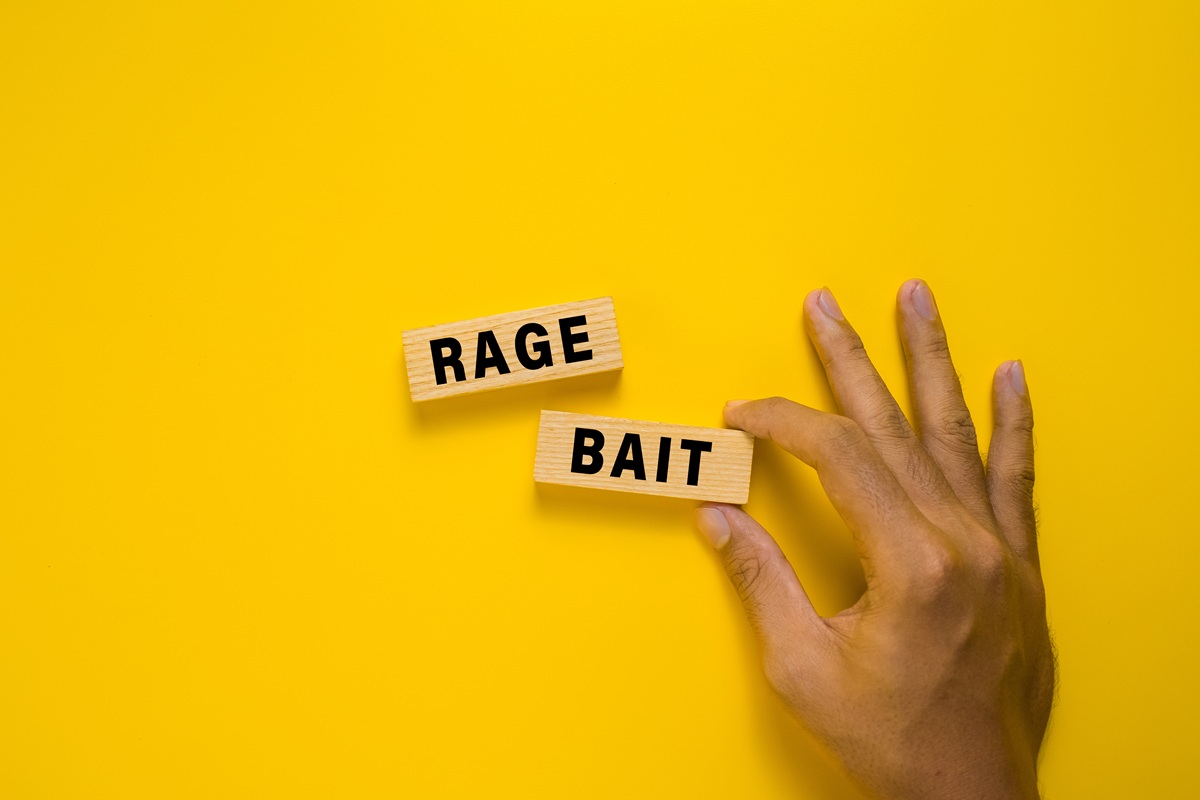
Among the endless end-of-year listicles and key insights like Cloud Dancer as Pantone’s colour of the year, there are plenty of valuable warning signs for marketing and customer experience teams.

While cloud dancer (image) might hint at calm and order, Oxford University Press named “Rage bait” its 2025 Word of the Year, while Merriam-Webster went with “Slop” which create anything but for customers.
These terms, alongside other shortlisted phrases like “aura farming” show that while outrage may drive online attention, brands need to identify how to capture engagement without crossing the line into clickbait?
How to Address Rage Bait and Slop
In an attempt to answer that question and the risks it poses for brand trust, and how marketers can create compelling, shareable content that resonates with audiences without relying on provocation. Andrew Witts, Digital Marketing Strategist at Studio 36 Digital, says:
“‘Rage bait’ is a term that perfectly captures a modern tension in digital marketing. On one hand, provocative headlines and polarising content can drive clicks, shares, and visibility. On the other hand, the moment a piece feels manipulative or purely designed to spark outrage, trust erodes, and audiences switch off.
Marketers need to remember that engagement isn’t the same as connection. Content that resonates, educates, or entertains can outperform outrage-driven material over the long term because it builds loyalty rather than friction. There’s a fine line between compelling and exploitative, and brands that ignore it risk undermining their own credibility.
Authentic CX and Marketing Require Strong Values
The rise of terms like ‘rage bait’ signals that audiences are increasingly aware of manipulation tactics. Savvy marketers can still create attention-grabbing content, but it must be grounded in authenticity, clear value, and respect for the audience. To avoid crossing the line into outrage-driven content, marketers should consider the following strategies:
- Focus on authentic storytelling: Share real experiences, case studies, or user journeys that resonate with your audience. Genuine narratives spark interest without provoking negative emotions.
- Prioritise value over virality: Ensure every piece of content informs, entertains, or inspires. Engagement driven by utility or enjoyment tends to build trust, unlike content designed solely to provoke anger.
- Craft headlines responsibly: Aim for clarity, curiosity, or humour rather than sensationalism. Avoid exaggeration or misleading hooks that manipulate emotions.
- Understand your audience: Use analytics and feedback to gauge what content excites and delights, rather than frustrates or annoys. Audience insight helps strike the right balance between attention-grabbing and respectful.
- Maintain brand integrity: Align all messaging with your brand values and tone of voice. Even content intended to be bold or provocative should reinforce credibility, not undermine it.”
Avoiding Slop and Executive Pressure to Get Sloppish
When it comes to slop, Quartz offers a stark warning about the build up and use of AI generated content.
Providing some advice, Hannah Mahon and Rebecca Denvers from global law firm Eversheds Sutherland explore the risks of AI misuse, its legal implications, and how companies can enforce strong policies.
They highlight that:
- Inputting confidential information into public AI platforms (like ChatGPT and Gemini) can put your business at risk
- Overburdening resources: AI Workslop is contributing to an already burdened tribunal system. Between 2024 and 2025 we’ve seen a 32% rise in UK employment tribunal cases and increased administrative burden on HR teams
- Practical solutions: governance strategies, training, and policy recommendations to help employers ensure responsible AI use
Whatever the pressure from leaders to use AI and aggressive tactics to promote your business and simplify customer experiences, anything that feels rage inducing or sloppish, should be a clear red flag for teams.