March 26, 2026
Zillow’s New AI Mode Replaces Property Search with Guided Conversation
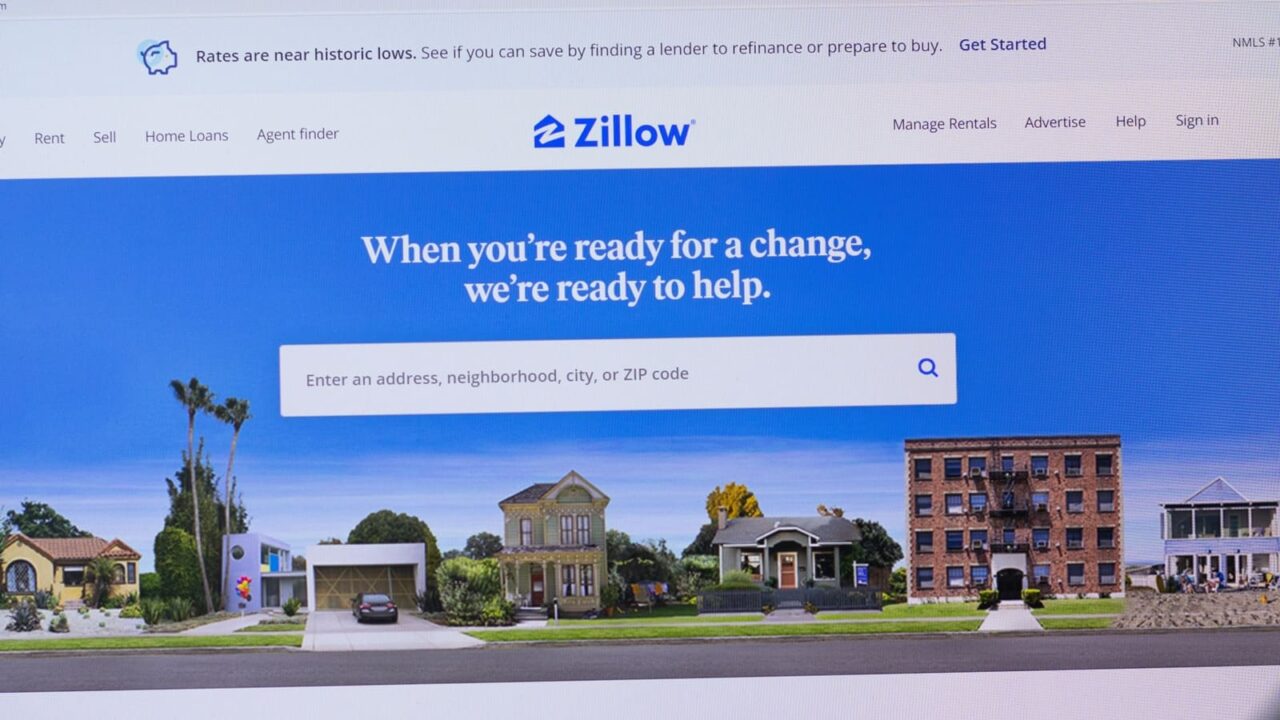
Real estate marketplace Zillow has launched Zillow AI mode, a conversational experience that lets buyers and renters ask questions about homes, explore affordability, and book tours.
Currently in beta with a limited group of US users, the feature is built directly into what the company describes as “the most-visited real estate marketplace in the country”, with plans to expand throughout 2026.
The announcement marks a notable departure from the filter-and-scroll model that has defined property search for two decades. Rather than requiring users to open multiple tabs, cross-reference a mortgage calculator, and manually compare listings, Zillow AI mode responds to natural language questions. A buyer can ask whether they can afford a home given their current finances. Meanwhile, a renter can request a comparison of two apartment buildings. Someone further along in the process can ask why a listing is priced the way it is, or how competitive a specific offer might be.
Jeremy Wacksman, CEO of Zillow, said: “We’re connecting the entire housing journey with AI in a way that hasn’t been possible before. Because Zillow operates across search, touring, financing, connections to professionals, transacting and closing, we can turn insight and data into real-world action.”
Ask, Don’t Scroll
Users can ask about renovation costs using local data, request neighbourhood comparisons, check pet policies on rentals, schedule viewings, and connect with a licensed real estate agent. The system also allows users to interrogate Zillow’s proprietary home valuation tool Zestimate in real time, asking how it has changed over time or what factors are driving a particular figure.
Josh Weisberg, Zillow’s senior vice president of AI, says the goal is to bring clarity to one of the most financially consequential decisions most people make: “We’ve spent years building the data, infrastructure and models to power this. Buying or renting a home is one of the biggest financial decisions most people make. This AI brings clarity to one of life’s most complex decisions.”
The system is designed to retain context across sessions, adapting to each user’s preferences and activity over time. The persistent memory is a key part of how it attempts to replicate the role of an informed, available advisor who can pick up where a previous conversation left off, rather than treating every visit as a blank slate.
Where CX and High-Stakes Decisions Meet
Organisations are increasingly embedding AI as the primary interface for complex decisions. Brands that fail to design for conversational AI risk being absent from the customer journey altogether.
Real estate presents a particularly high bar for trust. Unlike routine retail transactions, buying a home involves legal complexity, significant sums of money, and, for most people, a deeply personal set of priorities. Zillow has attempted to account for this in how AI mode is designed, by incorporating a Fair Housing Classifier, a real-time system that reviews both user questions and the AI’s responses to help prevent discriminatory steering in line with federal, state, and local housing protections.
Because Zillow operates as a licensed real estate brokerage, the company says AI mode works within established industry regulations and professional standards, supporting licensed agents. When users are ready to move from research to transaction, the system directs them to a professional with the context of their prior interaction already established.
The Trust Question
Consumer appetite for AI in high-involvement purchases remains uneven. While people are willing to let AI assist with discovery and comparison, they become far more cautious when it comes to consequential decisions and especially when those decisions involve financial exposure. The key to effective AI experience design is not just technical capability, but interface transparency, making it easy for users to understand what the system is doing and why.
Zillow’s approach leans into this by grounding AI mode in verified listings data and building explicit guardrails around compliance and privacy. Whether that is sufficient to earn the sustained trust of users making the largest financial decision of their lives remains to be seen.
In early testing, Zillow says the most common questions centred on affordability, neighbourhood context, and home comparisons, suggesting users are already treating it as a decision-making tool rather than a search box.