


December 16, 2025
British Airways CEO Warns of a Future Where Brands Get Ignored
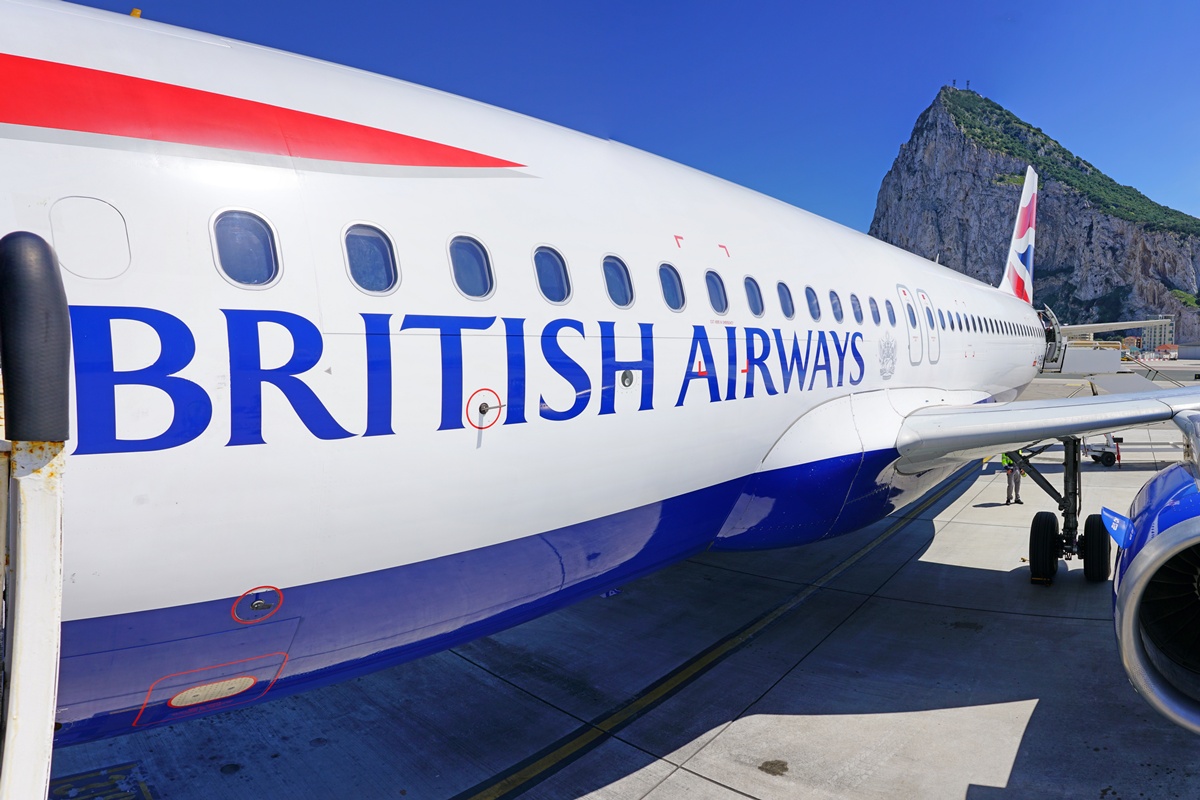
British Airways is preparing for a future where customers may no longer choose airlines at all. Instead, AI agents could do it for them, deciding which flights to book and which brands never even appear.
Speaking at Globant’s Converge 2025 event in London this week, British Airways chief executive Sean Doyle warned that the airline industry is heading toward a major shift in travel decisions. As AI-powered assistants take on a bigger role in search, booking, and service, airlines risk becoming invisible if they don’t adapt.
According to Doyle, the traditional playbook for airline visibility is already breaking down. A strong website, competitive pricing, and a good position in Google search results are no longer enough. AI agents are increasingly sitting between customers and brands, filtering options, comparing outcomes, and making decisions automatically.
This means that airlines are no longer appealing to human travellers, but trying to be understood, trusted, and selected by machines acting on their behalf. If AI agents become the gatekeepers, airlines need to make sure they’re legible to software.
Rethinking Tech Before AI Takeover
The warning comes as the airline sector continues its uneven recovery after the pandemic. Business travel remains below pre-2020 levels, but leisure demand has surged as passengers make up for years of restricted movement. That rebound has bought airlines time, Doyle said, time they need to rethink their technology foundations before AI takes over the market.
British Airways, he admitted, is still catching up. The airline is now deep into a large-scale digital rebuild, replacing legacy systems that should have been modernised years ago.
“We’re probably behind the curve,” Doyle said candidly. But rather than seeing that as a disadvantage, He described the rebuild as a “leapfrog opportunity” rather than a simple catch-up exercise. A modern platform, he argued, will let BA launch new services more quickly and respond better when customer expectations shift.
Yet the biggest impact of AI may happen out of sight. Doyle described airline operations as burdened by decades of manual, process-heavy work built on outdated technology. Agentic AI, he said, offers a way to strip those processes back and rebuild them from scratch, rather than focusing on staff reduction.
Airlines Currently Leveraging AI
At the moment, most airlines are using AI in narrower, task-specific ways rather than as an end-to-end operating layer. Carriers such as American Airlines and Delta apply AI to disruption recovery, automated rebooking, and operational optimisation, while Singapore Airlines uses it to analyse open-ended customer feedback. Korean Air has focused on AI-driven contact-centre automation to manage volumes and reduce handling times.
Taken together, these deployments show where AI currently stands in aviation: widely adopted in service operations and efficiency gains, but rarely embedded across the full airline model. For now, AI supports agents, improves recovery when things go wrong, and speeds up decision-making, even as airlines begin to face a future where those same systems may also decide which flights customers never see.