


December 08, 2025
Riyadh Air to Become ‘World’s First AI-Native Airline’, Powered by IBM
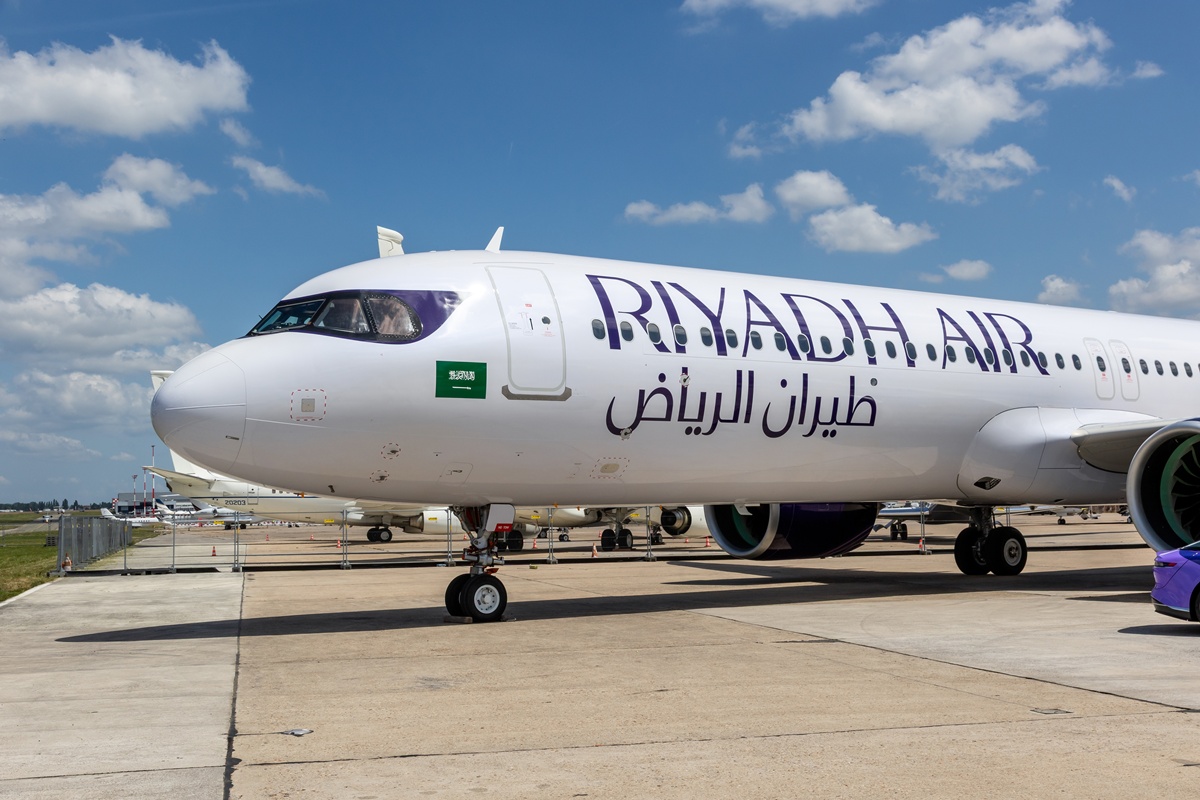
Riyadh Air has announced a partnership with IBM that will see the Saudi Arabian carrier become what it claims is “the world’s first AI-native airline”, building its operations entirely around AI from launch rather than layering technology onto legacy systems.
The announcement comes as the airline begins initial flight operations ahead of its first commercial services, expected in early 2026.
Airline Built for the Future
Under the three-year collaboration, IBM is leading Riyadh Air’s end-to-end digital development, coordinating 59 workstreams across more than 60 technology partners, including Adobe, Apple, FLYR, and Microsoft. The technology programme is centred on IBM watsonx Orchestrate and IBM Consulting Advantage, an AI-powered delivery platform used to manage implementation across business systems, operations, and frontline services.
Unlike established airlines that operate on decades-old IT systems, Riyadh Air is being built on a clean digital foundation. This approach allows AI to be embedded directly into operational workflows, employee platforms, service delivery tools, and decision-making systems from the outset.
Adam Boukadida, Chief Financial Officer, Riyadh Air, said: “We had a clear choice—be the last airline built on legacy technology or the first built on the platforms that will define the next decade of aviation. With IBM, we’ve stripped out fifty years of legacy in a single stroke. Riyadh Air isn’t just built for today; it’s built for the future and creating a pathway for many airlines to follow in the years to come.”
With employee experience central to the initiative, Riyadh Air plans to introduce a personalised digital workplace giving staff a single, chat-based access point for HR services, scheduling, approvals, and self-service as the airline prepares to double its workforce within the next year.
Cabin crew and ground teams will also use AI-powered mobile tools built on watsonx Orchestrate to receive real-time guidance and next-best-action prompts, enabling more tailored service, including proactive alerts to support passengers running late or requiring priority assistance.
In Their AI Era
Customer service operations will also integrate AI through the use of voice bots and real-time agent assist tools. These systems support human agents rather than replace them, using contextual data to help anticipate traveller needs, reduce handling times, and improve consistency across customer interactions.
Behind frontline operations, IBM has implemented an enterprise performance management platform that unifies financial, operational, and commercial data into a single system.
Through the partnership, Riyadh Air aims to scale rapidly while avoiding the operational challenges traditionally associated with airline expansion. The airline’s broader objective is to support the Kingdom of Saudi Arabia’s aviation strategy by connecting the country to more than 100 international destinations and serving millions of passengers annually by 2030.
It will be interesting to see how Riyadh Air applies AI across everyday airline operations in practice. Until now, most airlines have used AI in specific areas: Korean Air for AI-powered contact-centre automation, American Airlines for disruption recovery and automated passenger rebooking, Delta for personalised travel tools and baggage optimisation, and Singapore Airlines for analysis of open-ended customer feedback