December 10, 2025
AI Is Racing Ahead of Employee Confidence, Survey Reveals
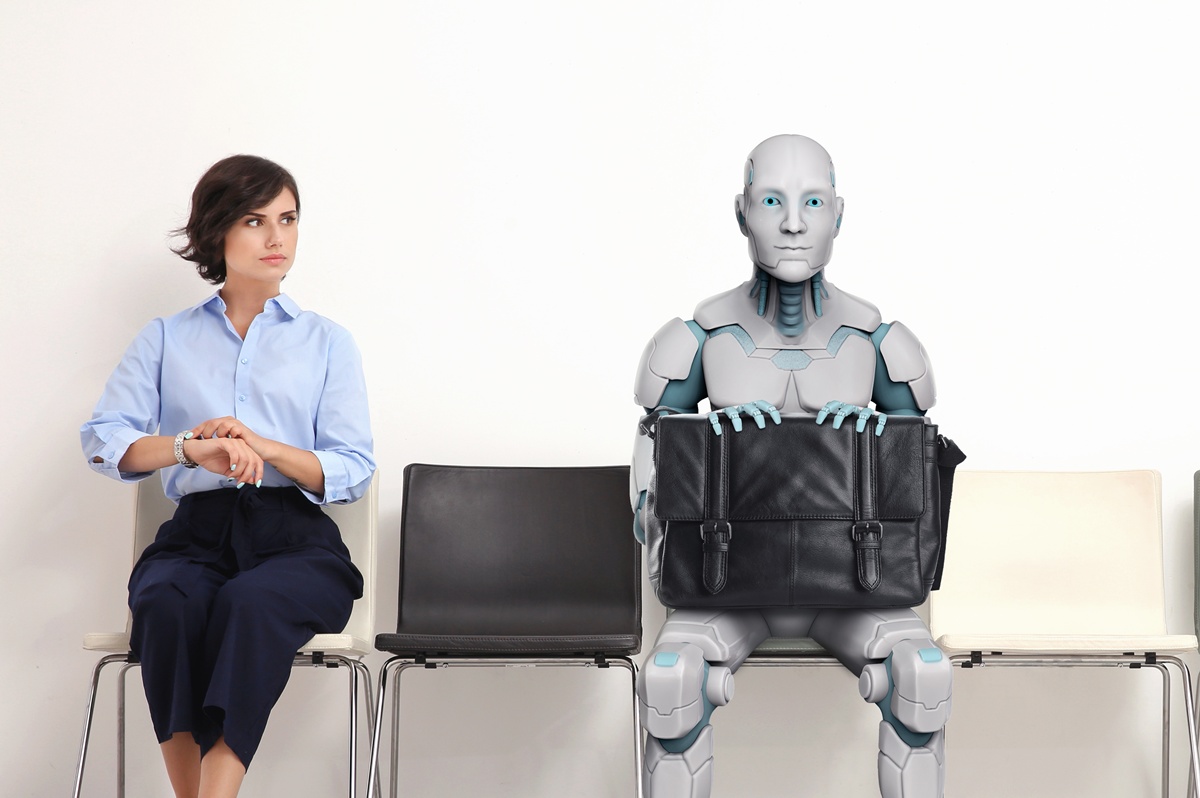
AI has been promised as the great unlock for productivity. Faster workflows, smarter scheduling, and less admin for overstretched teams. However, the reality is vastly different.
UKG’s new 2026 workforce outlook suggests something much simpler is holding companies back: trust.
The HR and workforce management provider’s research reveals a growing disconnect between how fast organisations are introducing AI-powered systems and how ready their people feel to work alongside them.
According to UKG’s Great Place to Work data, nearly 60% of organisations admit they are culturally unprepared for AI transformation. On the frontline, the uncertainty is even clearer as only 53% of employees believe their employer is actively preparing them for an AI-enabled workplace.
Unprepared for the AI Future
What’s missing is not access to software or data, but explanation. Workers want to know what these tools actually mean for their daily roles in real operational terms. Will AI remove admin tasks or introduce new levels of monitoring? Will skills become more valuable or suddenly outdated? Will decision-making become faster, or simply more distant? These are just some of the questions that need answering before carrying out proper AI training.
UKG says many companies are failing to answer those questions in a way employees can hear. Responsibility often falls between IT, HR and communications teams, with no single group owning the narrative. Frontline managers face employee questions without the context or training to reassure their teams, which further fuels distrust.
In workplaces where supervisors are able to show how AI simplifies scheduling, accelerates customer support, or removes repetitive paperwork, adoption tends to follow naturally. Where that communication doesn’t happen, employees treat new systems as something to endure rather than use.
We Are in an Employee Engagement Crisis
Alongside hesitant AI adoption, UKG points to a more immediate workforce pressure: finding and keeping people. Talent shortages driven by demographic change and widening skills gaps keep intensifying. Exit interviews still point to two everyday frustrations pushing employees out, like inflexible schedules and limited career opportunities.
The result is a push away from rigid staffing models toward what UKG describes as “talent ecosystems.” Instead of relying solely on permanent hiring, organisations are combining full-time teams with part-time labour, specialist contractors, project-based roles and AI-supported work. Crucially, that shift also involves redeploying existing employees through upskilling and internal mobility rather than constantly recruiting externally.
Adaptability becomes less of a buzzword and more of a career survival skill. Employees who can transfer competencies across departments and functions gain stability in an increasingly fluid employment environment.
Yet flexibility and tools alone won’t solve what UKG says is the underlying engagement crisis. The so-called ‘great detachment‘ shows more than 70% of employees are losing interest in their current roles.
This alarmingly low employee engagement is usually caused by a lack of authority. UKG research found that roughly 20% employees cannot make even basic decisions to resolve customer issues or improve everyday processes.
That absence of control chips away at morale much faster than the absence of perks. UKG argues the answer lies in moving beyond surface-level “engagement programmes” and toward active enablement, giving employees practical tools, personalised wellbeing support, and the autonomy to act. Long-term UKG studies suggest that high-trust cultures generate 42% more discretionary effort, regardless of economic conditions.