May 28, 2026
Consumers Welcome AI Into the Shopping Journey But Stop It at the Checkout
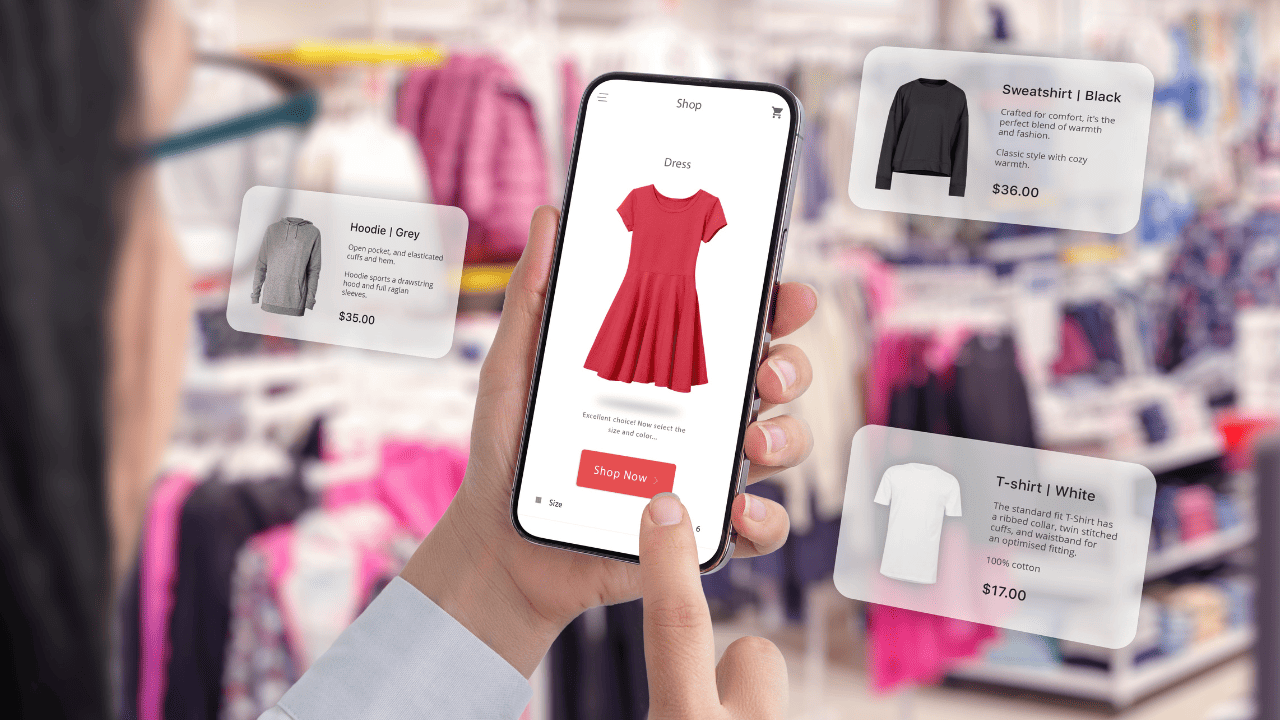
Amazon’s Rufus was supposed to make shopping easier. Instead, the AI shopping assistant became a case study in how fast consumer trust can erode. Analyses of the tool found that its recommendations were only 32% accurate, with suggestions for marathon running shoes that no runner would recognise and winter gloves selected seemingly at random.
One Amazon seller complained that Rufus had flagged bitterness as a positive attribute for their coffee product, despite it being one of the qualities most damaging to sales. One consumer, on seeing that Rufus had begun suggesting products it believed would “delight” them, simply stopped shopping on Amazon altogether.
New research from Gartner confirms that the industry’s agentic ambitions are running ahead of what people actually want.
Most Consumers Will Not Let AI Buy for Them
Gartner found that only 11% of consumers were willing to let AI make a purchase decision on their behalf, even in everyday, low-involvement categories such as personal care products and household supplies. The figure does not improve meaningfully as category stakes fall. For a technology marketed on the promise of convenience and delegation, 11% is a ceiling.
Willingness rises when AI’s only job is narrowing down options rather than making the final call. Thirty-one percent of respondents said they would allow AI to narrow product choices for household supplies, and 28% said the same for personal electronics. It’s okay to have AI involved in shopping, just don’t let it make decisions.
Kate Muhl, VP Analyst in the Gartner Marketing practice, said: “Consumers are not looking to outsource shopping decisions to AI. They want AI to help them find better information, compare prices, identify deals and narrow choices, while keeping final decision-making control for themselves.”
AI shopping tools designed around research, discovery, and comparison are the ones consumers are most likely to engage with. Fully autonomous purchasing agents, deployed ahead of the trust required to make them credible, risk being dismissed before they get a fair hearing.
Inaccuracy Is Eroding Early Goodwill
Even among consumers who have already tried AI tools during a shopping journey, the experience has not been universally positive.
A separate Gartner survey of 846 U.S. consumers, found that 54% of those who used generative AI during a recent purchase had to verify the accuracy of every piece of information those tools provided. Sixty-two percent said the information they received from AI tools turned out to be a waste of their time. These are not the numbers of a technology earning consumer confidence.
Muhl connected this directly to brand risk: “Accuracy is now a brand issue. If consumers believe AI shopping tools create more work by requiring them to verify every recommendation, they will not see those tools as convenient or valuable. Marketers must prioritise transparent, reliable information, especially around price, product fit and recommendations.”
Another research published earlier this year found that 98% of consumers will not purchase from an AI-recommended brand without independently checking it first. At that rate, AI assistance in the shopping journey adds a step rather than removing one, which is the opposite of the value proposition brands are funding.
Seeing AI Everywhere Is Not the Same as Trusting It
Seventy-two percent of Gartner’s respondents said that generative AI now appears in their internet and app use whether they actively sought it out or not. Thiz level of saturation might look, from a product development perspective, like normalisation. Gartner’s reading of the data is more cautious.
“Consumers are encountering GenAI more often, but passive exposure should not be mistaken for active adoption,” Muhl said. “The brands that earn consumer trust will be those that use AI to enhance consumer control, not replace it.”
Consumers who encounter AI constantly have not necessarily decided to trust it with anything consequential. Agentic commerce is advancing faster than consumer trust in it.
Gartner’s guidance to marketers is to redirect AI shopping investment toward tools that support research, price comparison, deal discovery, and option narrowing. These are the functions consumers are most willing to engage with, and the ones most likely to build the kind of trust that could, over time, open the door to more autonomous interactions.